
What to Actually Look for Under $500
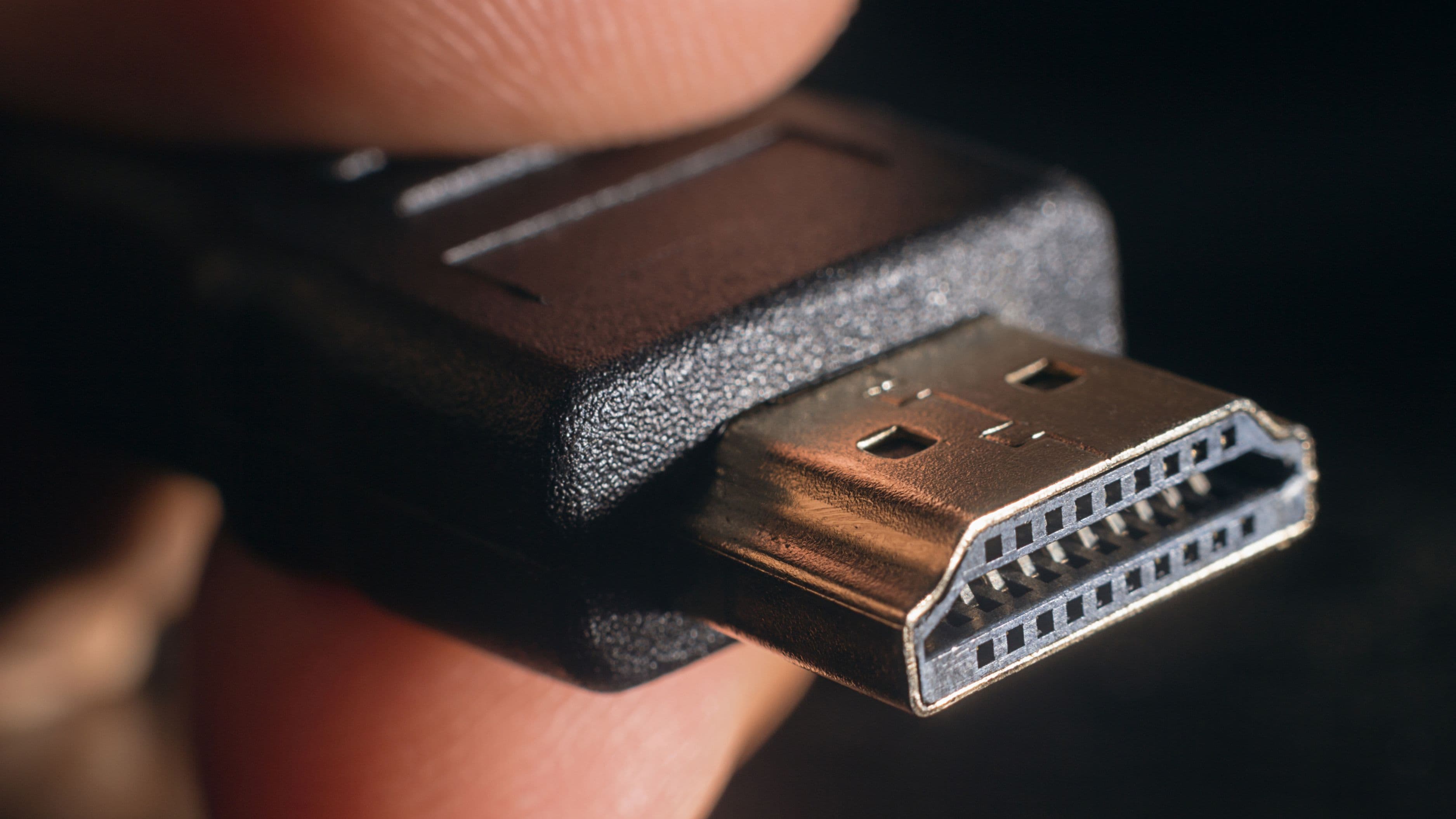
At this price point, prioritize HDMI 2.1 support (important for higher refresh rate 4K content and next-gen gaming pass-through), a sufficient number of HDMI inputs for your streaming device, gaming console, and any other sources, and built-in support for common surround formats like Dolby Atmos, even if you're not using height channels yet. Wireless streaming support, like Bluetooth or built-in Wi-Fi for services like AirPlay, is a genuinely useful convenience feature worth checking for as well.
Channel count matters based on your speaker setup. A 5.1 or 5.2 channel receiver covers a standard surround setup, while 7.1 or higher channel receivers accommodate additional surround or height speakers if you're planning a more elaborate system down the line.
Denon AVR-S Series
Denon's entry-level AVR-S line has built a strong reputation for delivering clean, reliable sound processing and solid build quality at a competitive price point. These receivers typically include HDMI 2.1 support on at least a few ports, Dolby Atmos and DTS:X decoding, and Denon's well-regarded Audyssey room calibration system, which tends to produce noticeably better balanced sound than some competitors' automatic calibration tools.
Typical channel count: 5.2 to 7.2 channels depending on model
Best for: Buyers prioritizing calibration accuracy and long-term reliability
What to check: Confirm the specific model's HDMI 2.1 port count matches your needs, since this has varied across different generations of the AVR-S line.
Yamaha RX-V Series
Yamaha's RX-V line is a longtime staple in the budget-to-midrange receiver space, known for a straightforward setup process and Yamaha's MusicCast platform, which allows multi-room audio integration if you have or plan to add other MusicCast-compatible speakers around your home. Sound quality is generally considered clean and neutral, making it a solid choice for a wide range of content types rather than being heavily tuned toward one specific genre or use case.
Typical channel count: 5.1 to 7.2 channels depending on model
Best for: Buyers interested in future multi-room audio expansion
What to check: MusicCast compatibility only extends to Yamaha's own ecosystem, so this feature matters less if you don't plan to expand with other Yamaha audio products.
Sony STR-DH Series
Sony's STR-DH line targets a more budget-conscious segment of the market while still including core features like Dolby Atmos support and a reasonable number of HDMI inputs. This series tends to have a simpler feature set compared to Denon or Yamaha's comparable offerings, which can be a genuine advantage for buyers who want straightforward setup without a lot of extra menu options to navigate.
Typical channel count: 5.1 to 7.2 channels depending on model
Best for: Buyers who want core streaming home theater functionality without a lot of extra features to configure
What to check: Some models in this line have fewer HDMI inputs than competitors at a similar price, so confirm the specific input count matches your number of sources.
Onkyo TX-NR Series
Onkyo's TX-NR line has historically been popular among buyers who prioritize raw power output and a slightly more customizable audio profile, appealing to users who enjoy adjusting settings rather than relying entirely on automatic calibration. Onkyo also tends to offer strong support for a wide range of surround formats across its lineup.
Typical channel count: 5.2 to 7.2 channels depending on model
Best for: Buyers who enjoy manually tuning their audio setup rather than relying purely on automatic calibration
What to check: Onkyo has gone through some ownership and distribution changes in recent years, so confirm current warranty and support terms for the specific model and region before purchasing.
How to Choose Between These Options
If calibration accuracy and long-term reliability are your top priorities, Denon's AVR-S line is generally the safer choice. If you're interested in expanding into whole-home audio down the line, Yamaha's MusicCast integration gives the RX-V series a genuine edge. If you want the simplest possible setup experience without extra bells and whistles, Sony's STR-DH line tends to deliver that most directly. And if you prefer having more manual control over your audio settings, Onkyo's TX-NR series caters well to that preference.
What to Avoid
Avoid buying a receiver based purely on channel count without checking HDMI version support, since a high channel count with outdated HDMI 2.0-only ports can bottleneck newer 4K high-refresh-rate content or next-gen gaming console features. It's also worth avoiding very old or discontinued receiver models sold at a discount without checking whether they support the HDMI and audio formats used by your current streaming devices, since older models may lack support for newer standards that have become common in the past few years.
Be cautious of buying a receiver significantly under-powered for your speaker setup, since consistently pushing a receiver near its power limits can lead to distorted sound and, in some cases, premature wear on the unit.
Realistic Expectations
A receiver under $500 provides genuinely solid performance for the vast majority of home streaming setups, including support for current surround sound formats and enough HDMI inputs for a typical collection of streaming devices, gaming consoles, and other sources. Buyers looking for the absolute highest power output, the most advanced room calibration technology, or support for very large, elaborate speaker configurations will generally need to look at higher price tiers, but for most home theater setups, this price range covers what's actually needed.
FAQ
Do I need HDMI 2.1 if I'm not gaming on next-gen consoles? It's less critical if you're purely streaming standard 4K content, but having at least a couple of HDMI 2.1 ports future-proofs your setup for higher refresh rate content and next-gen gaming, even if you're not using that capability immediately.
Is a higher channel count always better? Not necessarily. A higher channel count only matters if you actually have or plan to add that many speakers. Buying a 7.2 channel receiver for a simple 5.1 setup doesn't provide meaningful benefit and adds unnecessary cost.
Can these budget receivers handle 4K streaming without issues? Yes, all of the product lines mentioned here support 4K pass-through, with newer models in each line supporting higher refresh rates through at least some HDMI 2.1 ports.
📚 Sources
Consumer Technology Association – Home Theater Setup Resources – https://www.cta.tech/
HDMI Licensing Administrator – HDMI Specification Overview – https://www.hdmi.org/spec/index