


The Math Behind Annual Discounts
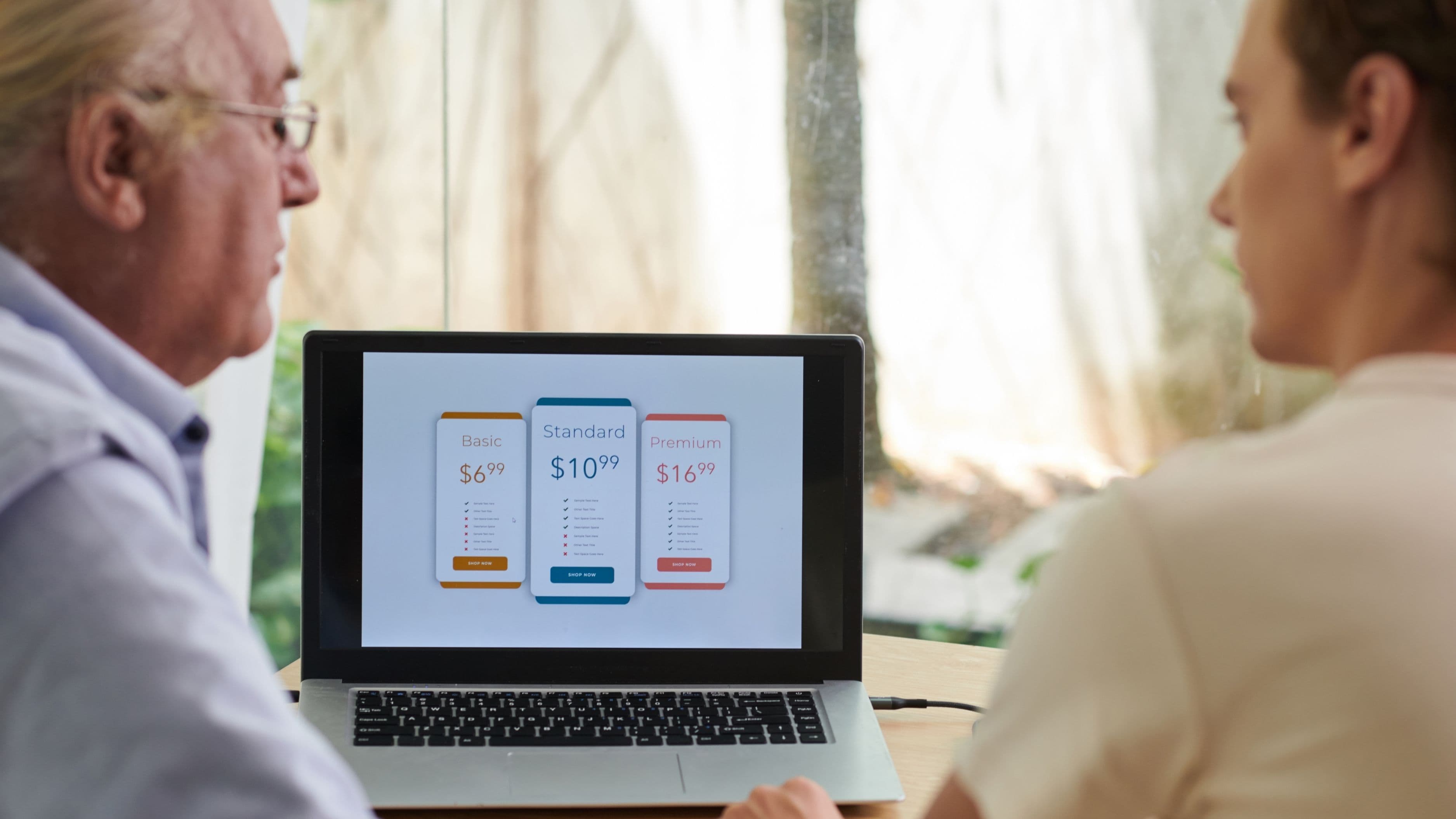
Annual plans typically offer a discount in the range of 15-20% compared to paying the monthly rate for twelve consecutive months, though the exact discount varies by platform and can change with pricing updates. This discount is genuinely real in the sense that you are paying less in total for a full year of access compared to paying month by month for that same twelve-month period, assuming you use the full year of access you paid for.
What this means in practice: If you know with reasonable confidence that you'll keep a specific streaming service active for the full year regardless, the annual plan is a straightforward, genuine savings with essentially no downside, since you're paying less for the same access you were going to use anyway.
Where the "Commitment Trap" Concern Actually Comes From
The real risk with annual plans isn't the math, it's the behavioral pattern of streaming subscriptions specifically: many people go through phases of heavy platform use followed by extended stretches of barely opening the app at all, often because they've finished the specific shows that drew them to that platform and haven't found new must-watch content there yet. With a monthly subscription, this pattern is easy to manage, you simply cancel during a quiet stretch and resubscribe later when something new draws you back.
Where this becomes a problem with annual plans: If you commit to a full year upfront and then hit one of these quiet stretches, you're locked into continuing to pay for a service you're not actively getting value from, at least until your annual term expires, since most streaming annual plans don't offer prorated refunds for unused months if you decide to cancel partway through.
Who Genuinely Benefits From Annual Plans
Consistent, long-term users of a specific platform. If you have a clear pattern of using a specific service regularly throughout the year, regardless of specific content releases, general entertainment habits, background viewing, ongoing shows you follow consistently, the annual discount represents genuine savings with minimal real risk, since your usage pattern suggests you'd likely keep the monthly subscription active anyway.
Households confident in their long-term platform preferences. If you've already tried a service for several months on a monthly basis and have a clear sense that it's become a permanent part of your household's regular viewing habits, switching to an annual plan at that point captures genuine savings without much added risk, since you already have direct evidence of consistent usage.
Who Should Be More Cautious About Committing Annually
People who frequently rotate between different streaming services. If your typical pattern involves subscribing to a service for a specific show or season, then canceling and moving to a different platform for the next thing you want to watch, an annual commitment works against this natural rotation pattern, locking you into a service you might otherwise have canceled within a few months.
Anyone uncertain about a relatively new subscription. If you've only recently subscribed to a service and haven't yet established a clear sense of how much ongoing value it provides for your household, committing to a full year before you have that clarity increases the risk of paying for a service that ends up seeing limited actual use for a meaningful portion of that committed year.
A Practical Way to Decide
A reasonable approach is to use a service on a monthly basis for at least a few months first, giving yourself real evidence of your actual usage pattern, before considering the switch to an annual plan. If, after several months, your usage has remained consistent and you don't see signs of an upcoming quiet stretch, upgrading to an annual plan at that point captures the discount with meaningfully reduced risk compared to committing upfront before you have that evidence.
What to Avoid
Avoid committing to an annual plan based purely on the advertised discount percentage without honestly assessing your own actual usage pattern for that specific platform; the discount is only genuine value if you would have kept paying monthly anyway. Avoid assuming all streaming services follow identical usage patterns for your household, some genuinely earn a spot as an ongoing, year-round subscription, while others are more naturally suited to the flexible, rotate-in-and-out pattern that a monthly plan supports better.
It's also worth avoiding annual commitments for newly launched platforms without an established track record of consistent content releases, since a platform's early content library and release cadence may not reflect what its offering looks like six or twelve months later.
Realistic Expectations
For the right household usage pattern, an established, consistently-used platform, annual plans deliver genuine, meaningful savings with minimal added risk. For the more common pattern of streaming service rotation, canceling and resubscribing to different platforms as specific content interests shift, the flexibility of monthly billing is often worth more than the annual discount, since an unused month or two during an annual commitment can quickly offset the savings the annual plan was supposed to provide.
FAQ
Can I get a refund if I cancel an annual streaming plan partway through? Generally no, most streaming services don't offer prorated refunds for annual plans canceled before the term ends, making this a genuinely binding commitment for the length of the term.
Is there a middle-ground option between monthly and annual billing? Some platforms offer quarterly or semi-annual billing options with a smaller discount than the full annual plan, which can be a reasonable middle ground if you want some savings without a full year-long commitment.
How do I know if a platform is worth committing to annually? Track your actual usage over several months on a monthly plan first; consistent, ongoing engagement without extended quiet stretches is a reasonable signal that an annual commitment would deliver genuine value for your specific household.
📚 Sources
Consumer Reports – Streaming Subscription Cost Comparison: https://www.consumerreports.org/
Federal Trade Commission – Subscription Cancellation and Billing Practices: https://www.ftc.gov/business-guidance/privacy-security