
What Ambient Streaming Actually Means
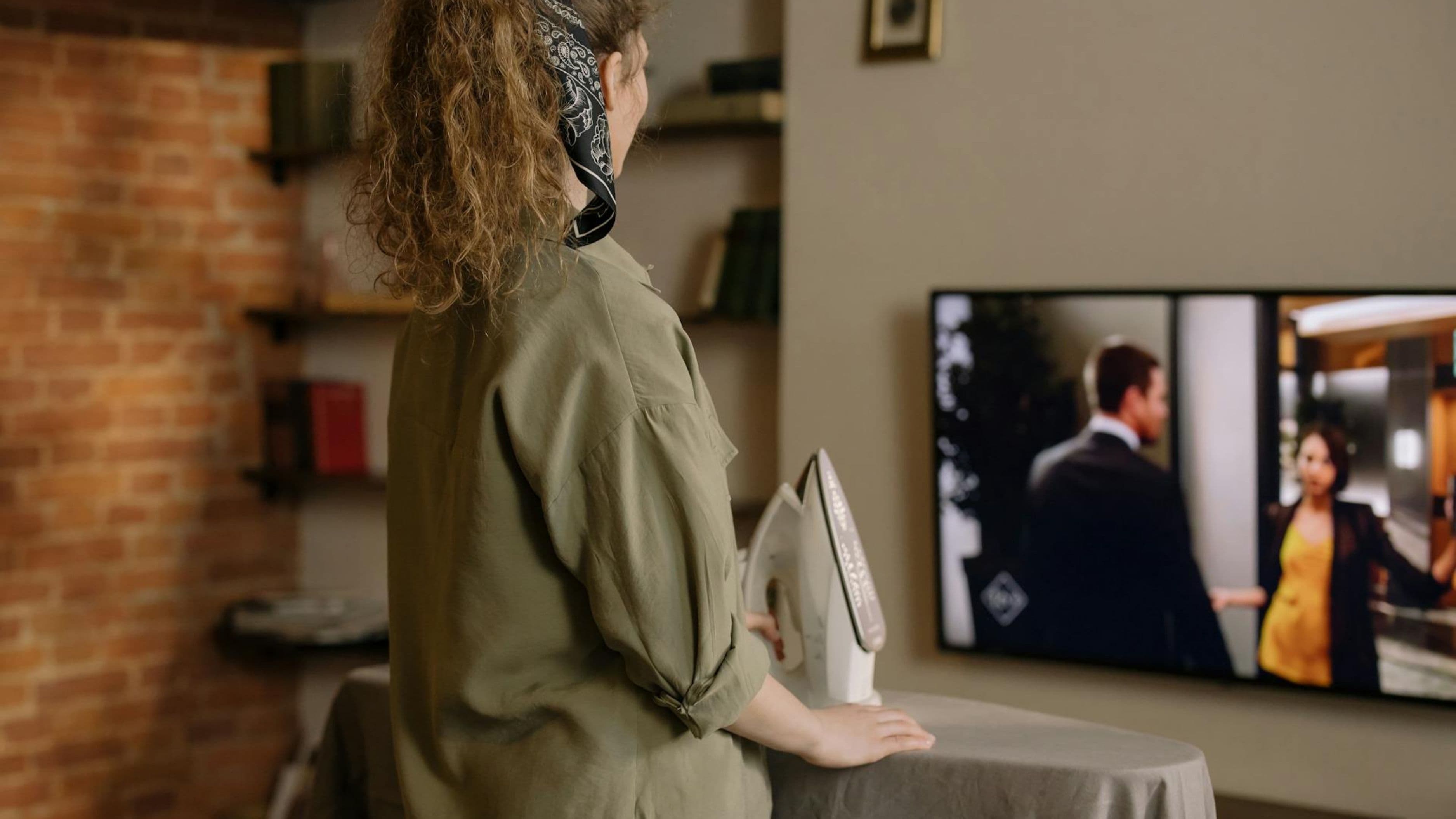
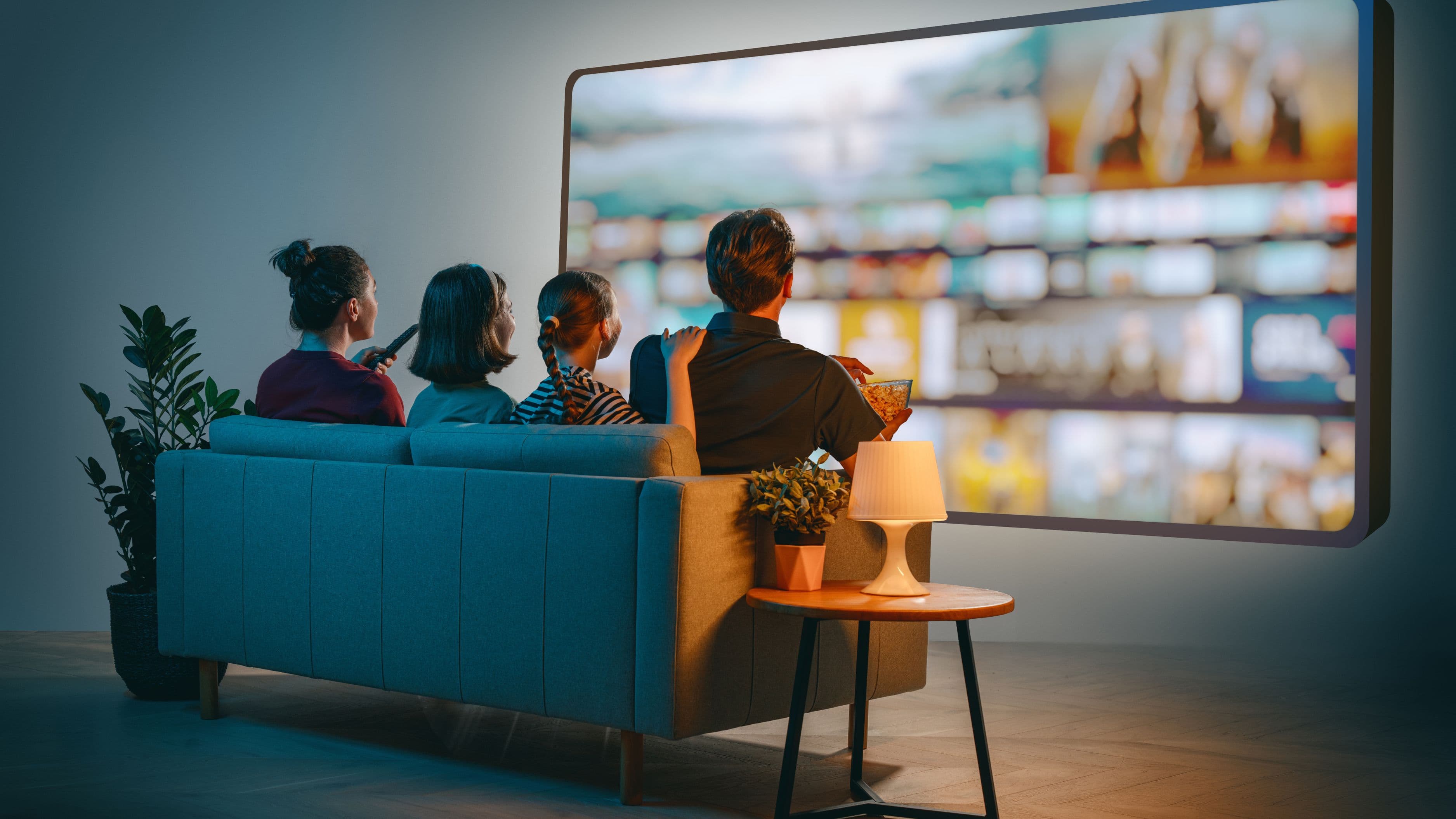
Ambient streaming refers to content consumed primarily as background presence rather than focused, undivided viewing, think familiar sitcoms playing while you do chores, low-stakes reality shows on in another room, or nature documentaries running quietly while you work from home. Unlike appointment viewing, where you sit down specifically to watch something new and engaging, ambient streaming is about comfort, familiarity, and low cognitive demand rather than plot-driven attention.
This isn't a new behavior exactly, since people have always had shows they half-watch while doing something else, but streaming platforms have only recently started explicitly recognizing and designing around this viewing pattern rather than treating all viewing time as equally focused attention.
Why Platforms Are Paying Attention Now
Viewing data has made it increasingly clear that a meaningful portion of total streaming hours come from repeat viewing of familiar content, shows viewers have already seen multiple times, playing in the background rather than driving new subscriber engagement or fresh content discovery. Recognizing this pattern matters financially, since content designed or licensed specifically for ambient viewing, often older sitcoms, low-stakes competition shows, or slower-paced documentaries, tends to be cheaper to produce or license than flagship prestige content, while still driving significant total watch-time numbers that platforms report to investors and use to justify content spending.
This has led some platforms to specifically invest in acquiring long-running, comfort-viewing-friendly libraries, recognizing that these titles quietly generate enormous cumulative viewing hours even without the marketing push given to major new releases.
What Kind of Content Works Best for Ambient Viewing
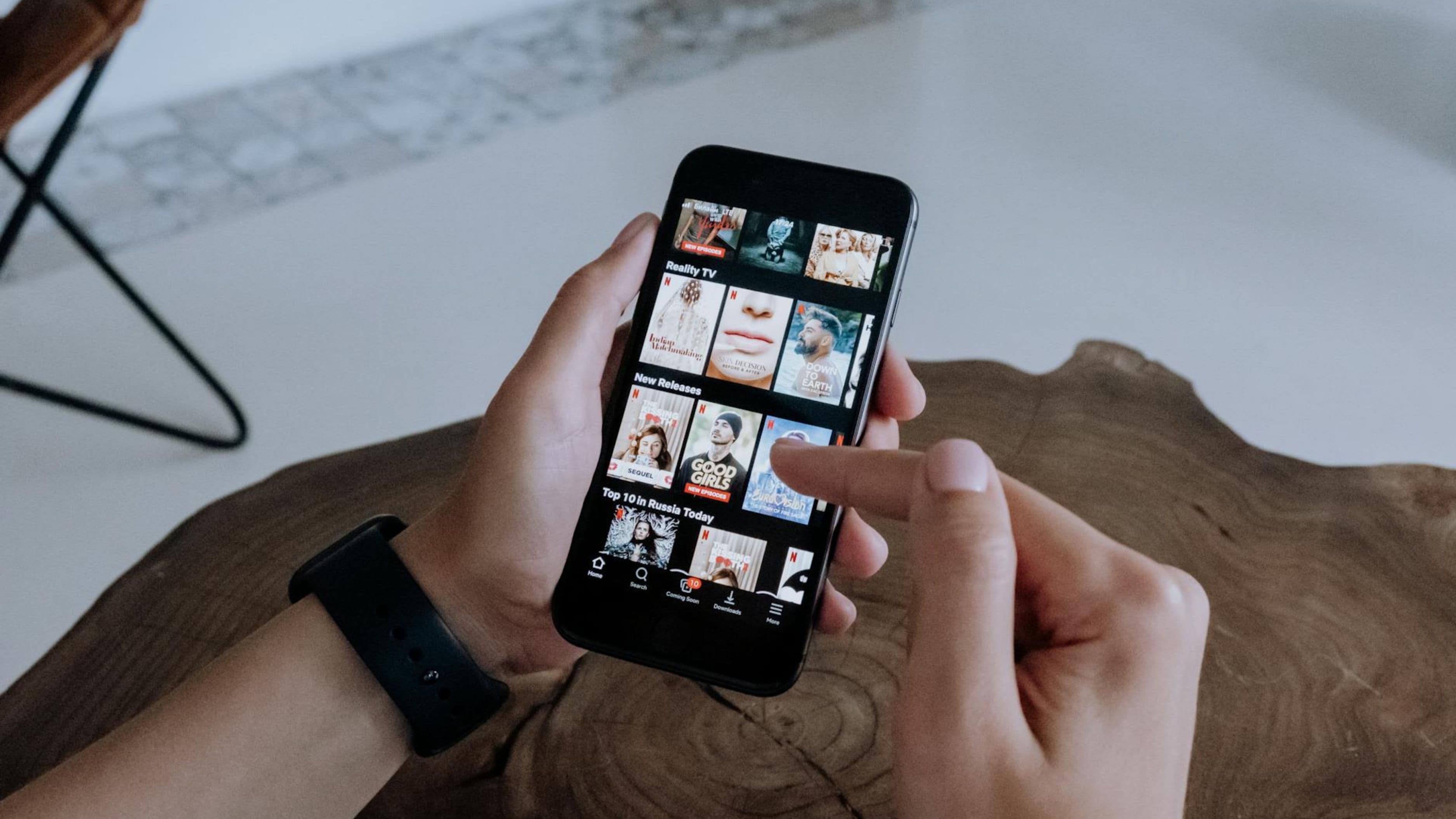
Certain types of content lend themselves naturally to ambient viewing: shows with an episodic format that don't require tracking a complex ongoing plot, familiar sitcoms viewers have already seen and can dip in and out of without losing context, and lower-stakes reality or competition formats where missing a few minutes doesn't meaningfully affect understanding what's happening. Nature and slow-paced documentary content has also seen a notable rise, offering visually pleasant, low-narrative-demand viewing that works well as background presence.
This stands in contrast to heavily serialized prestige dramas, which typically demand close, uninterrupted attention to follow complex plotlines, making them poorly suited to ambient viewing even if they're excellent shows in a traditional viewing context.
How This Is Shaping What Gets Made and Recommended
As platforms increasingly recognize the value of ambient-friendly content, some have started specifically commissioning or acquiring shows designed with this viewing pattern in mind, prioritizing comfort and rewatchability over intricate plotting or high production complexity. Recommendation algorithms have also started factoring in ambient viewing patterns, sometimes surfacing familiar, lower-commitment content during times of day or usage patterns that historically correlate with background viewing rather than focused, appointment-style sessions.
This doesn't mean prestige, heavily plotted content is going away, since appointment viewing still drives significant subscriber acquisition and retention value, but it does mean platforms are increasingly building distinct strategies for content meant to be actively watched versus content meant to run comfortably in the background.
Why This Matters for Your Own Viewing Habits
Understanding this trend can actually help you be more intentional about your own streaming choices, recognizing when you're looking for genuinely engaging, focused content versus when you just want comfortable, low-demand background presence while doing something else. Platforms are increasingly building separate pathways for these two different viewing modes, and knowing which one you're actually looking for in the moment can make browsing and choosing content noticeably faster.
It's also worth recognizing that a show performing well in ambient viewing metrics doesn't necessarily mean it's a poorly made or lesser show, it may simply be well-suited to a different kind of viewing experience than a heavily serialized drama.
What to Avoid
Don't assume every recommendation a platform surfaces is meant for focused, appointment-style viewing, since increasingly these systems are tailoring suggestions based on detected ambient viewing patterns specific to certain times of day or usage habits. If you're looking for genuinely immersive, plot-driven content, it can help to actively seek out prestige or heavily serialized recommendations rather than relying purely on default algorithmic suggestions, which may be weighted toward comfort viewing based on your historical patterns.
What's Next in Streaming
Expect ambient viewing to keep influencing both content strategy and platform design, potentially leading to more explicit "background viewing" categories or recommendation modes as platforms continue refining how they cater to this distinct viewing behavior. This trend reflects a broader shift in how streaming platforms think about engagement, valuing total viewing time and comfort-driven habits alongside, rather than purely instead of, big, splashy new releases designed for focused attention.
FAQ
Is ambient streaming a new behavior, or just newly recognized by platforms? The behavior itself isn't new, but platforms have only recently started explicitly designing content strategy and recommendations around this specific viewing pattern.
Does ambient-friendly content mean lower quality content? Not necessarily. It typically means content well-suited to background, low-commitment viewing, which is a different quality than the plot complexity demanded by heavily serialized prestige dramas.
How can I tell if a platform is recommending content for ambient versus focused viewing? This isn't always explicitly labeled, but familiar, episodic, lower-stakes recommendations during typical multitasking hours often reflect ambient viewing pattern targeting, compared to prominent new release promotion aimed at focused viewing sessions.
📚 Sources
Streaming Viewership Trends Report, nielsen.com
How Streaming Platforms Measure Engagement, variety.com
The Rise of Comfort Viewing, hollywoodreporter.com