
Walk into any writers' room in Hollywood today, and you'll find something unexpected: creators aren't fighting AI—they're negotiating with it, experimenting with it, and sometimes even collaborating with it. The question isn't whether AI will replace human creativity. The real question is: what happens when silicon meets soul?
Myth: AI Can Generate Hit Songs Without Human Input → Truth: AI Is a Mirror That Reflects What We Feed It
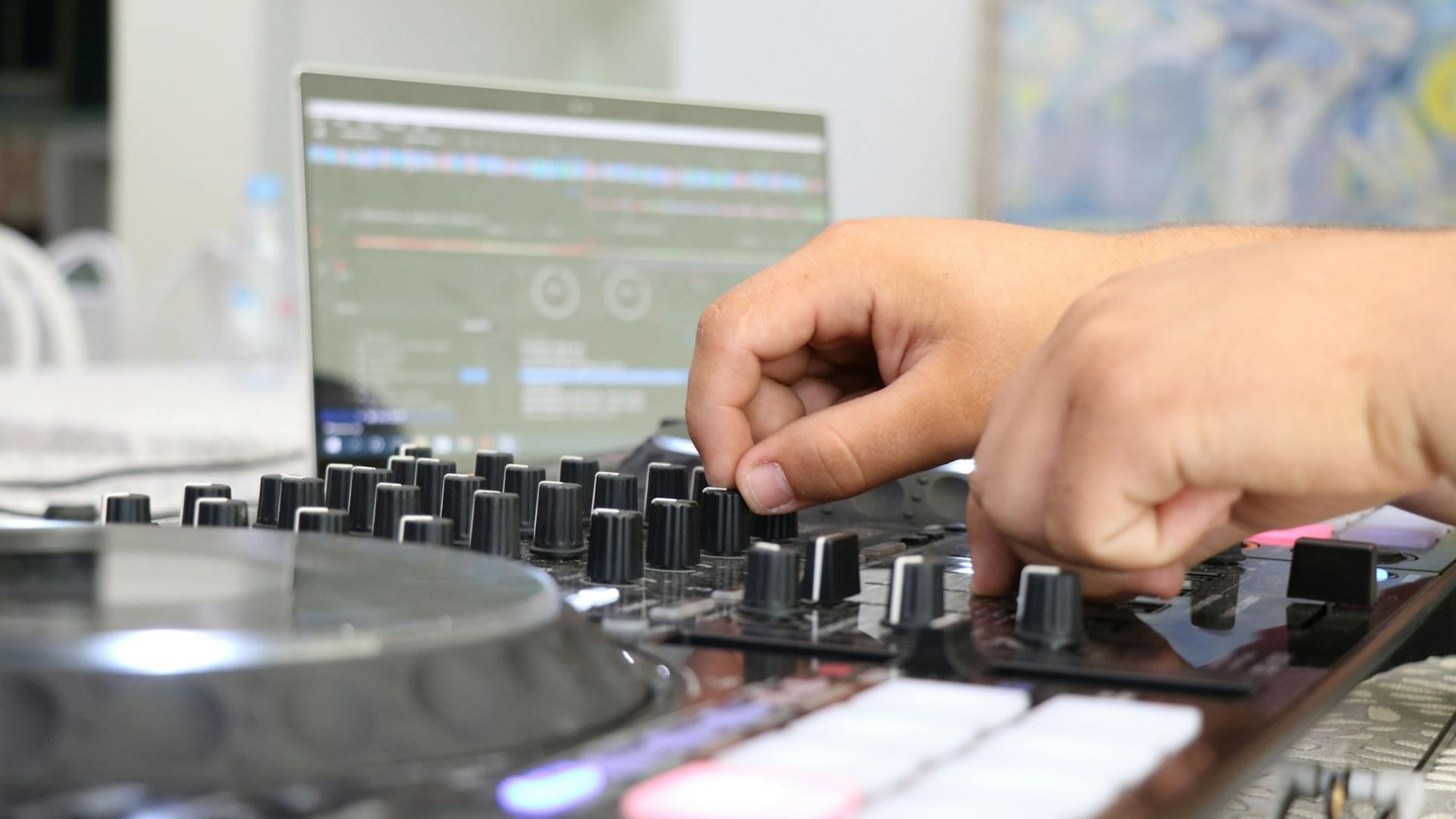
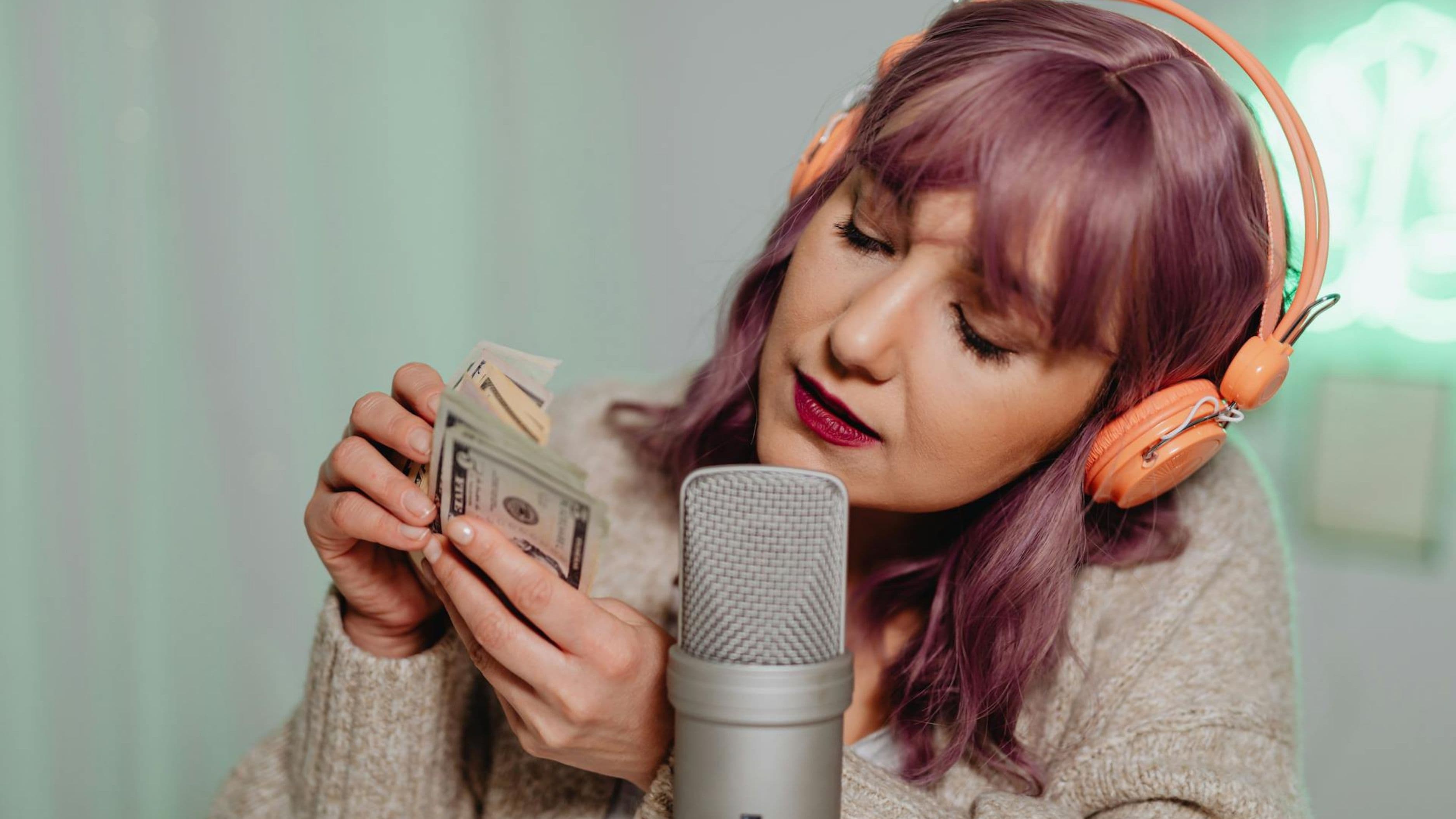
Listen closely to those "AI-generated" songs flooding streaming platforms, and you'll notice something crucial: they sound derivative because they are. AI music tools like AIVA and Amper analyze millions of existing tracks to identify patterns, chord progressions, and structures that historically perform well. They're brilliant at remixing the past but terrible at inventing the future.
Here's what the headlines miss: when Holly Herndon used AI to create her album "PROTO," she didn't just press a button and walk away. She spent months training her AI "baby" (she literally calls it that) by feeding it specific vocal techniques, then collaborated with a live choir to add emotional depth the algorithm couldn't generate. The AI provided unexpected melodic suggestions, but Herndon curated every decision with her artistic vision. The result? Something neither human nor machine could create alone—a third option that sounds genuinely otherworldly.
The entertainment industry is learning that AI-generated content without human curation feels like eating at a restaurant where robots cook by recipe alone. Technically correct, nutritionally complete, but missing that indefinable magic that makes you want to come back.
Myth: Writers Should Fear ChatGPT Stealing Their Jobs → Truth: AI Handles the Grunt Work While Humans Do the Soul Work
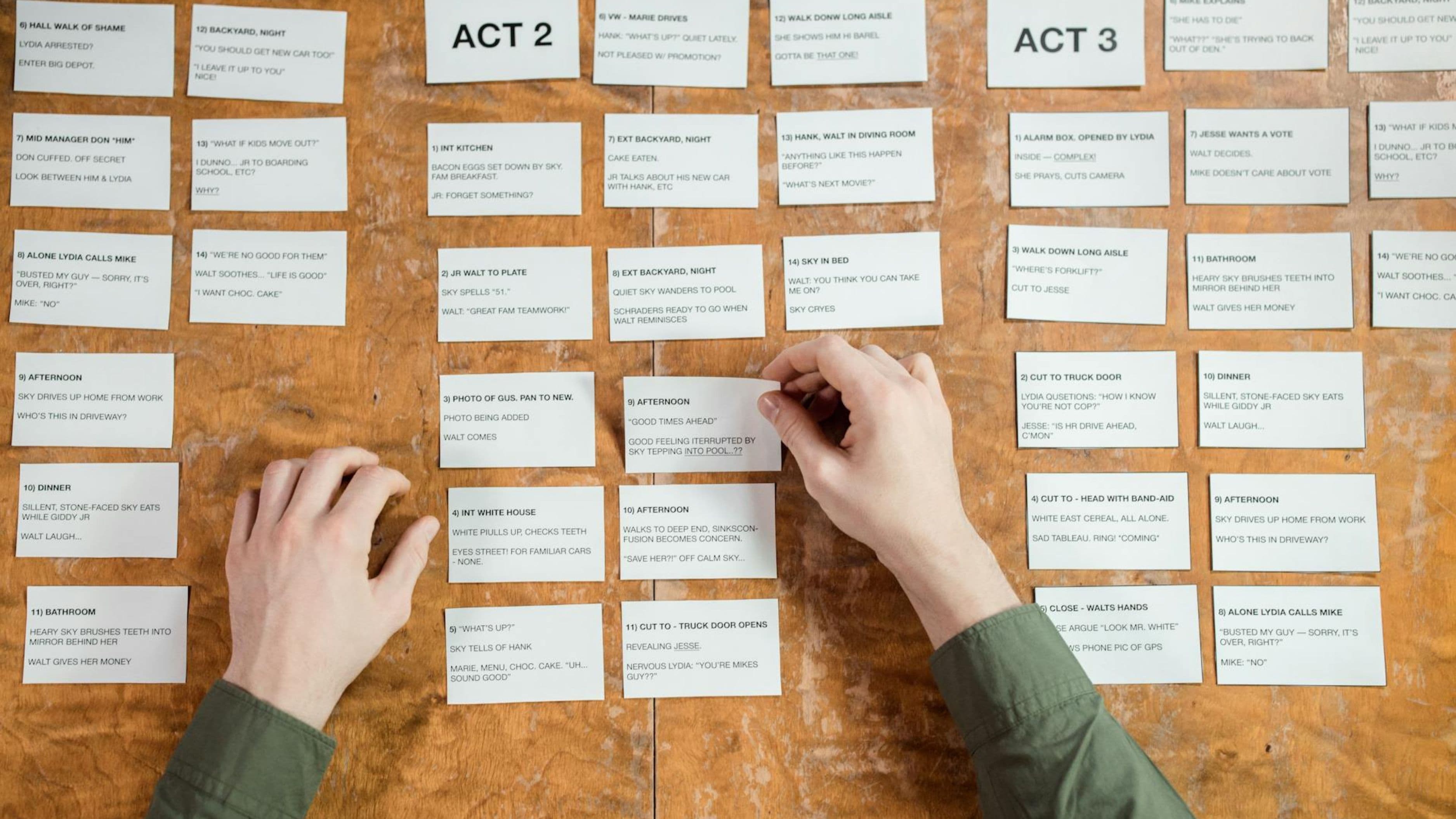
The 2023 Writers Guild strike put AI in the spotlight, but the actual agreement reveals something fascinating: writers weren't demanding AI be banned—they were demanding control over how it's used. That's because professional screenwriters already knew something the general public didn't: AI is phenomenal at generating episode summaries, brainstorming plot variations, and drafting routine dialogue. It's absolutely terrible at crafting characters that break your heart.
Think about the last show that made you ugly-cry at 2 AM. Was it the plot structure? Or was it the specific way a character's voice cracked when they said goodbye? AI can analyze a thousand breakup scenes and generate statistically optimal dialogue, but it can't understand the weight of silence, the power of a well-timed pause, or why sometimes the most moving line is the one that breaks grammatical rules.
Forward-thinking creators are using AI as a research assistant and first-draft generator, freeing them to focus on the emotional architecture that makes stories memorable. It's like having a tireless intern who can produce fifty variations of a scene overnight—but you still need a master craftsperson to know which one has soul and how to elevate it further.
Myth: AI Art Will Flood Platforms With Cheap Content → Truth: Human-Curated AI Art Is Creating New Aesthetic Frontiers
Scroll through any AI art community, and you'll wade through oceans of technically impressive but emotionally empty images. Dragons with too many teeth. Portraits with hauntingly beautiful eyes and grotesquely impossible hands. The platforms are indeed flooded, but here's what's not making headlines: a small group of artists is using these tools to create genuinely groundbreaking work.
Refik Anadol's AI-powered data sculptures transform billions of data points into flowing, mesmerizing visual experiences that look like dreams made tangible. But Anadol isn't just typing prompts into Midjourney. He's writing custom algorithms, making thousands of curatorial decisions about color palettes and movement patterns, and installing these pieces in ways that create powerful emotional experiences. The AI handles computation that would take humans centuries; Anadol provides the vision, taste, and emotional intelligence.
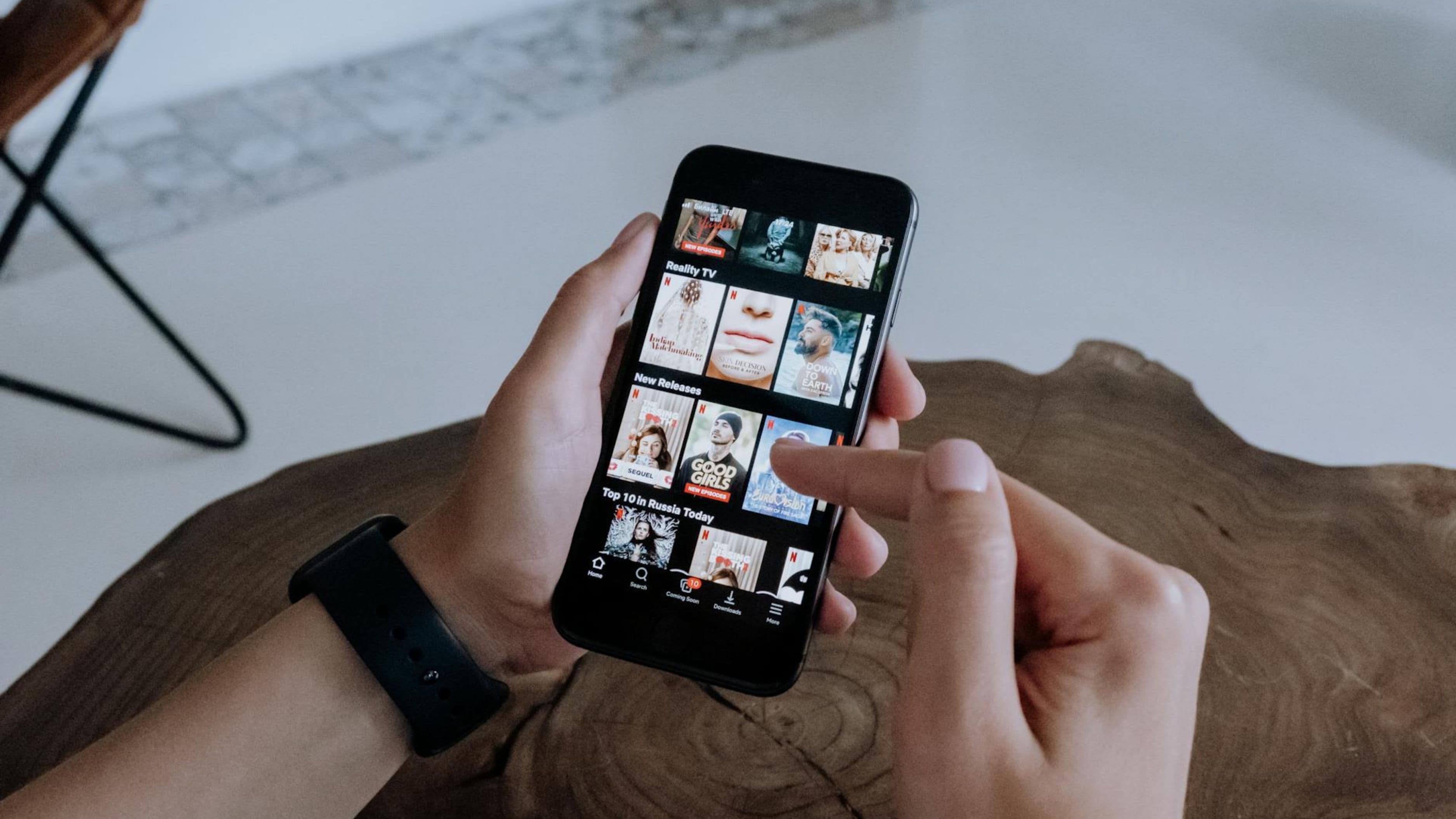
The market is already self-correcting. Netflix tried filling their platform with cheap AI-generated thumbnails—viewers hated them and engagement dropped. Meanwhile, studios that use AI to enhance human-created concept art (removing tedious background work so artists can focus on character design and emotional storytelling) are producing more compelling content faster. Quality still wins, but now quality can move at digital speed.
Myth: AI Will Democratize Creative Industries → Truth: AI Is Creating a New Elite of Tech-Savvy Artists
The promise sounds beautiful: give everyone access to creative AI tools, and suddenly anyone can be a filmmaker, musician, or visual artist. In reality? We're watching a new hierarchy emerge. The creators thriving in this landscape aren't just talented artists—they're also prompt engineers, algorithm whisperers, and workflow architects.
Consider the filmmaker who can envision a scene, engineer the perfect Runway AI prompt to generate it, then edit the result with human intuition about pacing and emotion. They're competing against traditional filmmakers who take months to produce what they can create in weeks. But they're not "just using AI"—they've developed an entirely new skillset that combines traditional artistic training with technical literacy.
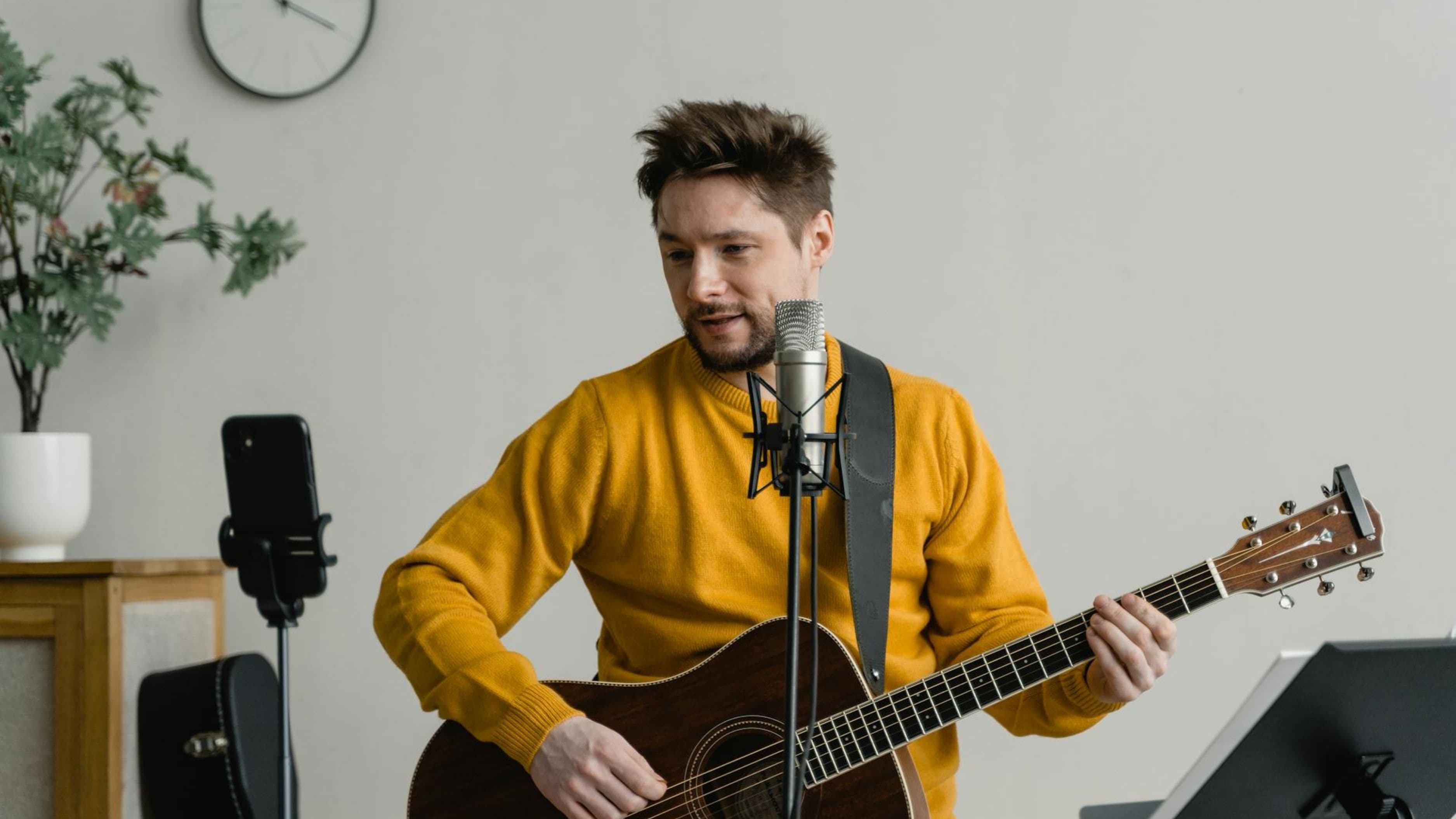
This isn't making creativity more accessible; it's raising the bar for what "basic competence" looks like. A singer-songwriter used to need talent, practice, and maybe some recording equipment. Now they're also expected to understand vocal synthesis tools, AI-assisted mixing, and algorithmic distribution strategies. The democratization narrative makes for good PR, but the reality is more complex and less inclusive than Silicon Valley wants to admit.
Myth: Audiences Can't Tell the Difference Between AI and Human Content → Truth: Humans Crave Human Connection More Than Ever
Run a blind test, and audiences often can't distinguish AI-generated content from human-created work—for about thirty seconds. But here's what researchers at Stanford discovered: while people can't always identify AI content immediately, they consistently report feeling less emotionally engaged with it, even when they can't articulate why.
It's the uncanny valley of emotion. An AI can generate a technically perfect love song with all the right chord progressions and lyrical themes, but there's something missing—the same something missing from a perfectly realistic wax figure. We're sensing the absence of genuine human experience, the lack of someone who's actually had their heart broken and is transmuting that pain into art.
This is why behind-the-scenes content is exploding across platforms. Audiences don't just want the end product anymore—they want to see the human struggle, the creative process, the real person behind the work. Taylor Swift doesn't just sell songs; she sells her story, her growth, her human journey. An AI can mimic her vocal style, but it can't have lived her life, and audiences feel that difference in their bones.
Myth: AI Will Make Entertainment Production Cheaper → Truth: AI Is Reallocating Budgets Toward New Specializations
Studios celebrating reduced VFX costs are discovering an expensive truth: AI doesn't eliminate jobs, it transforms them. Those savings from automated background rendering? They're being redirected to "AI supervisors," "algorithm ethicists," and "synthetic media coordinators"—entirely new roles that didn't exist five years ago.
Marvel's recent use of AI for de-aging effects and crowd generation didn't shrink their teams—it shifted them. Fewer people manually painting frames, more people training algorithms, reviewing output for artifacts, and ensuring AI-generated faces don't inadvertently resemble real people (hello, legal nightmares). The budget looks different, but it's not necessarily smaller.
What is changing is the timeline. Projects that once took twelve months can now be completed in eight, which means more content, faster iteration, and higher audience expectations. This speed advantage is real, but it comes with hidden costs: less time for ideas to permeate, shorter development cycles, and the constant pressure to publish rather than perfect.
Myth: AI Creativity Is Improving Exponentially → Truth: AI Hit a Creativity Ceiling You Haven't Heard About
Tech headlines love to breathlessly announce each new AI breakthrough, but working artists see a different story. AI made stunning progress from 2020 to 2023—from generating coherent sentences to creating photorealistic images. But that rapid advancement has plateaued in a specific, telling way: AI got dramatically better at imitation but has shown zero improvement in genuine innovation.
GPT-4 can write in the style of Shakespeare, Hemingway, or Morrison with uncanny accuracy. What it can't do is create a new style that becomes the next literary movement. DALL-E can mash up artistic techniques from across centuries, but it can't birth the next Impressionism or Cubism. The models are reaching the limits of what recombination can achieve without genuine understanding or lived experience.
This ceiling matters because entertainment thrives on the new, the unexpected, the revolutionary. AI is an incredible tool for variation within existing paradigms, but paradigm shifts still require human consciousness. The next Star Wars, Beatles, or Picasso won't come from an algorithm—though the algorithm might help them realize their vision faster and more cheaply than ever before.
Myth: Human Creativity Has Inherent Value That AI Can't Touch → Truth: We're Redefining What "Authentic" Means in Real-Time
Here's the uncomfortable truth that neither AI skeptics nor enthusiasts want to face: the concept of human creativity has always been socially constructed, and we're reconstructing it right now. Medieval audiences valued different creative qualities than Renaissance ones. Recording technology changed what we value in musical performance. AI is forcing us to articulate what we mean by "creativity" in ways we never had to before.
Watch TikTok's creator economy and you'll see this redefinition happening live. Some creators proudly advertise their use of AI tools (transparency as authenticity). Others hide it completely (traditional authenticity). Still others are building entire brands around the human-AI collaboration itself (hybrid authenticity). Audiences are voting with their follows, and the data is messy—there's no clear winner yet because we're collectively negotiating new cultural values.
The disorienting part? We're discovering that some things we thought required human creativity might not, while other elements we took for granted are irreplaceable. Background music for videos? AI handles it fine, and most listeners don't care who made it. But a comedian's timing, a dancer's presence, a director's vision? These remain stubbornly, beautifully human, and attempts to automate them fall flat in ways that highlight what makes them special.
The Real Transformation: From Creation to Curation
Let go of the binary thinking that AI will either replace or simply enhance human creativity—both predictions miss what's actually happening. Entertainment is undergoing a fundamental role shift where human value is migrating from pure creation to sophisticated curation, emotional intelligence, and storytelling vision.
The next generation of entertainment professionals won't be pure artists or pure technologists—they'll be hybridists who understand both domains deeply. They'll use AI to generate hundreds of options in minutes, then apply human judgment to select, refine, and elevate the one with genuine emotional resonance. They'll leverage algorithms for distribution while crafting authentic human connections that algorithms can't fake.
This future isn't about AI replacing humans or humans using AI as a neutral tool. It's about co-evolution, where both human creativity and machine capability transform in response to each other. The creators who thrive won't be the ones clinging to pre-AI methods or blindly embracing full automation. They'll be the ones who develop new creative languages that speak to both silicon and soul—and audiences who crave genuine human connection in an increasingly synthetic world.
📚 Sources
1. Herndon, H. (2019). PROTO [Album]. 4AD Records. Detailed in interviews with Pitchfork and The Guardian about AI collaboration in music production.
2. Writers Guild of America. (2023). WGA-AMPTP Memorandum of Agreement: Section on Artificial Intelligence. Retrieved from WGA contract documentation regarding AI usage in entertainment writing.
3. Anadol, R. (2022). Machine Hallucinations installations and artist statements. Museum of Modern Art exhibitions and artist presentations.
4. Stanford HAI (Human-Centered Artificial Intelligence). (2023). Research findings on audience perception of AI-generated versus human-created content. Stanford University research publications.