
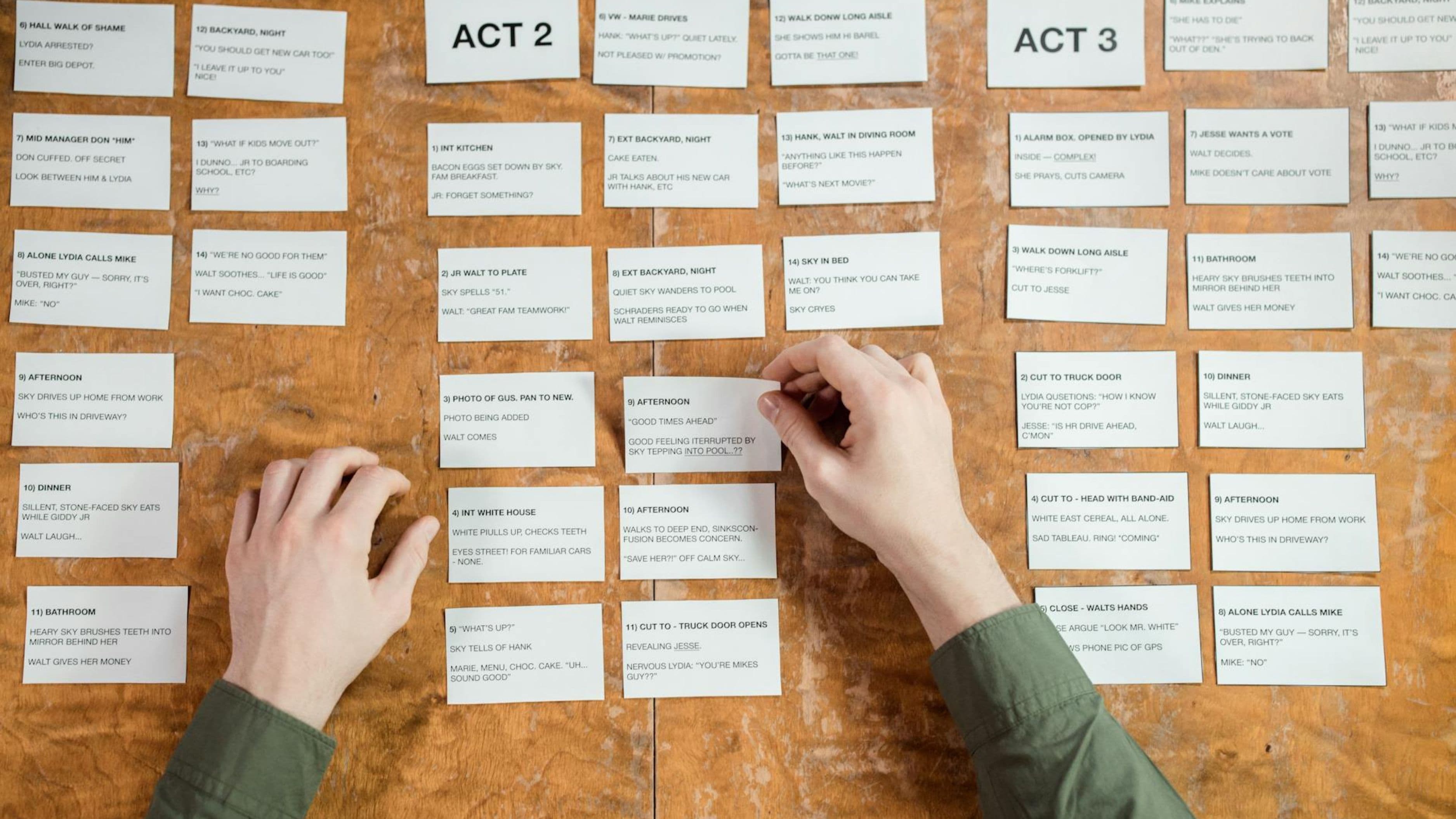
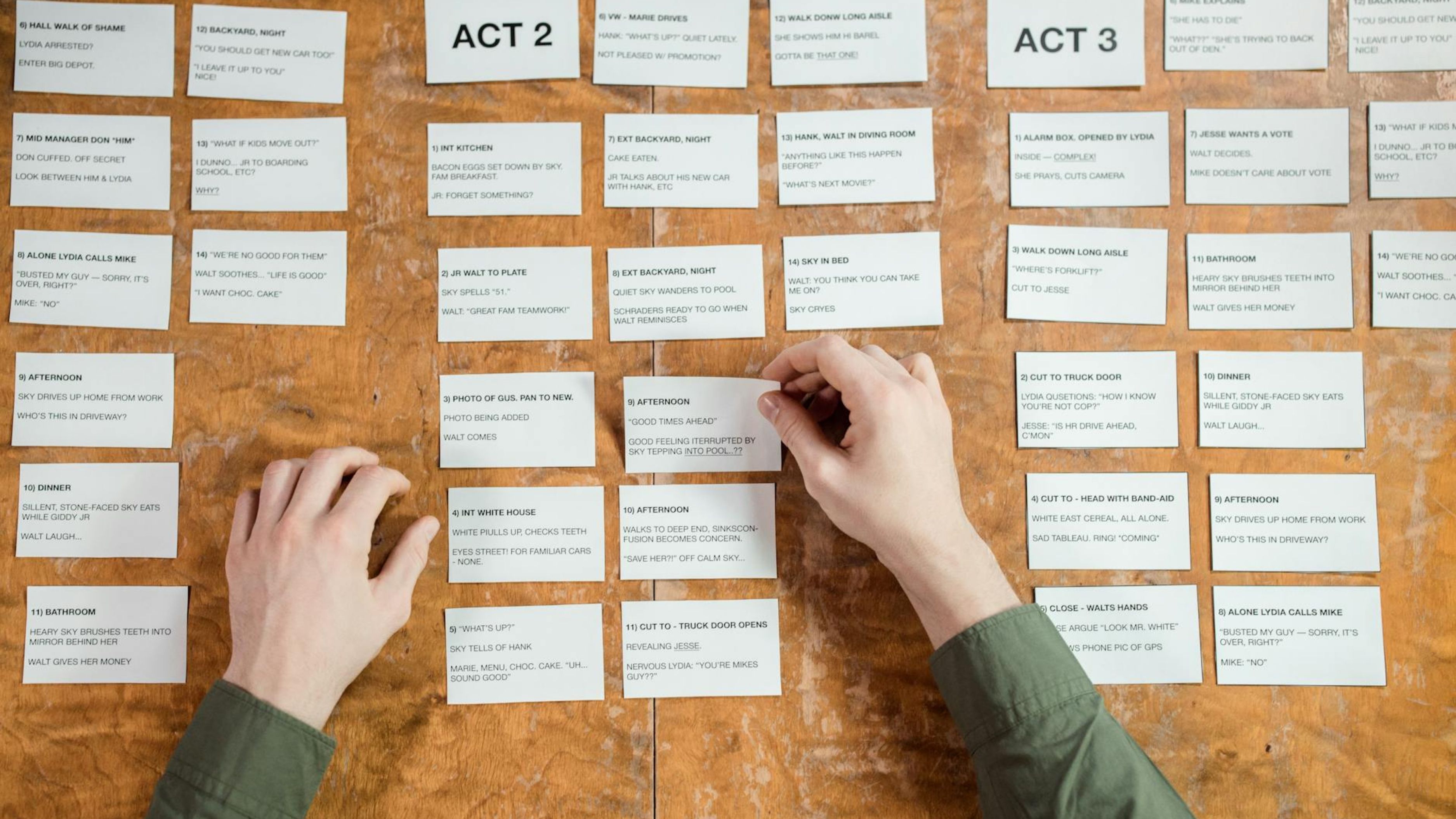
The revolution isn't about replacing human creativity. It's about amplifying it, accelerating tedious tasks, and opening doors to storytellers who previously couldn't afford a team of script consultants. Here's how the entertainment industry's brightest minds are wielding these digital tools to craft tomorrow's blockbusters.
1. ChatGPT and Large Language Models: The Brainstorming Partner
OpenAI's ChatGPT has become the go-to tool for breaking through writer's block and generating rapid-fire story concepts. Writers use it to explore alternative plot directions, test dialogue variations, or even challenge their own assumptions about character motivations. The tool excels at "what if" scenarios—feeding it a premise and watching it spin out ten different directions in seconds.
Showrunners are discovering its value during early development phases, when ideas need volume before quality. One writer can now generate the same range of concepts that once required an entire room of creatives spitballing for hours. The key is treating it like a junior writer—someone who needs guidance but can churn out raw material worth refining.
2. Final Draft with AI Integration: Industry Standard Gets Smarter
The screenwriting software that's been Hollywood's default for decades now features AI-powered tools that feel less like gimmicks and more like genuine workflow enhancements. Beat Board helps writers visualize story structure with AI suggestions for pacing and plot points. The software analyzes your script's rhythm and flags potential dead zones where momentum might sag.
Writers report that Final Draft's AI features work best as a second opinion rather than a primary creative engine. It catches inconsistencies in character voice, suggests when a scene might be running long, and even offers formatting corrections that used to require a script supervisor's eagle eye. The technology doesn't write your story—it makes sure your story reads like a professional wrote it.
3. Sudowrite: The Novelist's Secret Now Serving Screenwriters
Originally designed for prose writers, Sudowrite has found an unexpected fanbase among screenwriters tackling treatments and beat sheets. Its "Describe" function takes a simple scene description and expands it with sensory details and emotional texture that can later be distilled into visual storytelling. The tool's strength lies in helping writers think beyond dialogue.
The "Brainstorm" feature generates character backstories, thematic elements, and world-building details that enrich even the tightest screenplay. Writers working on sci-fi and fantasy projects particularly appreciate how Sudowrite helps maintain internal consistency across complex fictional universes. It's like having a continuity coordinator who's read every draft and remembers every detail.
4. Anthropic's Claude: The Context King for Series Development
Claude stands out for its massive context window—the amount of text it can process and remember in a single conversation. For television writers developing multi-season arcs, this capability is transformative. You can feed Claude entire season bibles, character histories, and previous episode scripts, then ask it to identify thematic threads or suggest callback opportunities.
Showrunners use Claude to maintain consistency across writing teams, ensuring that character voices remain stable even when different writers pen different episodes. The tool excels at analyzing existing material and suggesting how new storylines might connect to established narrative groundwork. It's essentially a digital showrunner's assistant with perfect recall and infinite patience.
5. Runway ML: From Script to Visual Concept
Runway ML bridges the gap between written word and visual imagination, generating images and video clips from text descriptions. During pitch meetings, writers can now show—not just tell—what their script envisions. A horror script's key scene can become a mood board in minutes, helping executives visualize the final product before a single frame is shot.
Directors and cinematographers are using Runway alongside scripts to pre-visualize shots and experiment with lighting concepts. The technology democratizes access to proof-of-concept visuals that once required hiring entire design teams. For indie filmmakers pitching to studios, this tool levels the playing field considerably.
6. Dramatron: Google's Experimental Story Engine
Developed by DeepMind, Dramatron takes a hierarchical approach to script generation—starting with high-level structure, then drilling down into scenes, then finally dialogue. It's not commercially available yet, but writers who've tested it describe a tool that understands dramatic principles like rising action and character arcs better than most AI alternatives.
The system generates full-length scripts complete with stage directions and character descriptions, though the output typically requires substantial human revision. What makes Dramatron noteworthy is its training on dramatic literature and theatrical works, giving it a grasp of storytelling conventions that more general-purpose AI tools lack. It's a glimpse of where script-specific AI is heading.
7. ScriptBook: The Greenlight Predictor
ScriptBook analyzes finished scripts and predicts their commercial performance with eerie accuracy—the company claims 86% success rate in forecasting box office returns. Studios use it as one data point among many when deciding which projects deserve eight-figure budgets. The tool evaluates factors like character likability, story coherence, and pacing efficiency.
Writers can use ScriptBook's feedback to strengthen weak elements before submitting to producers. If the AI flags your protagonist as "low audience engagement," that's actionable intelligence worth addressing. While creative decisions shouldn't be outsourced to algorithms, understanding how your script might perform can inform strategic revisions.
8. Celtx: Pre-Production Planning Meets AI
Celtx has evolved beyond simple screenwriting software into a full pre-production suite with AI-powered features for scheduling, budgeting, and breakdown. The platform's AI can read your script and automatically generate shooting schedules, identify location needs, and flag potential production challenges. It's saving producers hundreds of hours of manual planning work.
For writer-producers, Celtx makes the leap from page to production less daunting. The software estimates costs based on your script's requirements and suggests budget-friendly alternatives when scenes seem too expensive to shoot. This financial foresight can influence creative decisions before you're too attached to impractical sequences.
9. Jasper AI: Marketing Your Story Before It's Made
Jasper excels at generating marketing copy, making it invaluable for writers who need to pitch their scripts compellingly. The tool crafts loglines, treatment summaries, and pitch deck content that hits the right notes for different audiences—investors see one version, streaming platforms see another. It understands the language of Hollywood salesmanship.
Writers use Jasper to A/B test different approaches to describing the same story, discovering which framings generate the most interest. The AI can rewrite your pitch at different lengths—from tweet-sized hooks to full paragraph synopses—ensuring you're prepared for any format the conversation requires.
10. Nova A.I.: Subtitle Generation and Script Timing
Nova specializes in turning scripts into timed subtitles and analyzing dialogue pacing. Writers can paste their screenplay and receive detailed timing analysis—how long each scene will actually run, where conversations might drag, and whether your ninety-page script will truly fit a ninety-minute runtime. This precision prevents the nightmare of cutting beloved scenes during post-production.
The tool's subtitle generation also helps writers selling international rights. Quick, accurate subtitles make it easier for foreign distributors to evaluate English-language content. For web series creators publishing on platforms like YouTube, Nova streamlines the entire caption workflow.
11. The Writer's Assistant Plugins: Custom GPT Solutions
Many writers are creating custom GPT assistants tailored to their specific needs—character consistency checkers, dialogue polishers, or even tools trained on their personal writing style to maintain voice across projects. These bespoke solutions represent the future of AI in entertainment: hyper-personalized tools that adapt to individual creative processes rather than forcing everyone into the same workflow.
The democratization of AI customization means you don't need to be a programmer to build tools that serve your unique creative challenges. Writers are sharing these custom GPTs within professional communities, creating an ecosystem of specialized assistants for every screenwriting niche imaginable.
The AI revolution in Hollywood isn't coming—it's here, humming quietly in the background of productions you'll watch this year. These tools won't write the next Oscar-winner on their own, but they're empowering storytellers to work faster, pitch smarter, and explore creative directions that might have remained undiscovered in a purely analog workflow. The writers who thrive will be those who view AI as a collaborator worth directing, not a replacement worth fearing.
Pick one tool from this list and explore it today. Download a free trial, paste in a scene you're struggling with, and see what unexpected directions emerge. Momentum starts small—often with a single prompt.
📚 Sources
1. Writers Guild of America. (2023). "2023 MBA Summary of Terms." WGA Contract Summary Report.
2. ScriptBook. (2024). "AI Predictive Analytics for Film Success Rates." Company Performance Data.
3. DeepMind Technologies. (2023). "Dramatron: Interactive Hierarchical Story Generation." Research Publication on AI-Assisted Creative Writing.