


Most viewers know, in a general sense, that streaming platforms personalise their recommendations. What's less understood is how deeply that personalisation now goes, how the technology behind it has changed, and what it actually means for your viewing habits – and the kinds of content that get made.
The Old System vs. What's Running Now
Early streaming recommendation systems were relatively simple. They used collaborative filtering – a method that essentially says "people who watched the same things you watched also liked these other things, so you might like them too." It worked, up to a point. The recommendations were broadly relevant but often obvious. If you watched three crime dramas, you'd be shown more crime dramas. The system understood categories but not nuance.
The systems running across major streaming platforms in 2026 operate at a fundamentally different level. They're not just tracking what you watch – they're tracking how you watch. Do you abandon an episode after eight minutes? Do you rewatch specific scenes? Do you pause and come back, or turn it off and never return? Do you watch until 2am or stop after one episode and come back the next day? Does your watching behaviour change on weekday evenings versus Sunday afternoons? Every one of these signals feeds into a model that builds a detailed picture not just of your genre preferences but of your viewing psychology.
Netflix has been open about this for years. The company's engineering blog has documented the evolution of its recommendation system from basic collaborative filtering to deep learning models that process hundreds of signals simultaneously. The shift to neural network-based approaches means the system can identify patterns that no human analyst would ever notice – correlations between viewing behaviour, time of day, device type, and content characteristics that don't fit any obvious category.
The Thumbnail You See Isn't the Thumbnail Everyone Sees
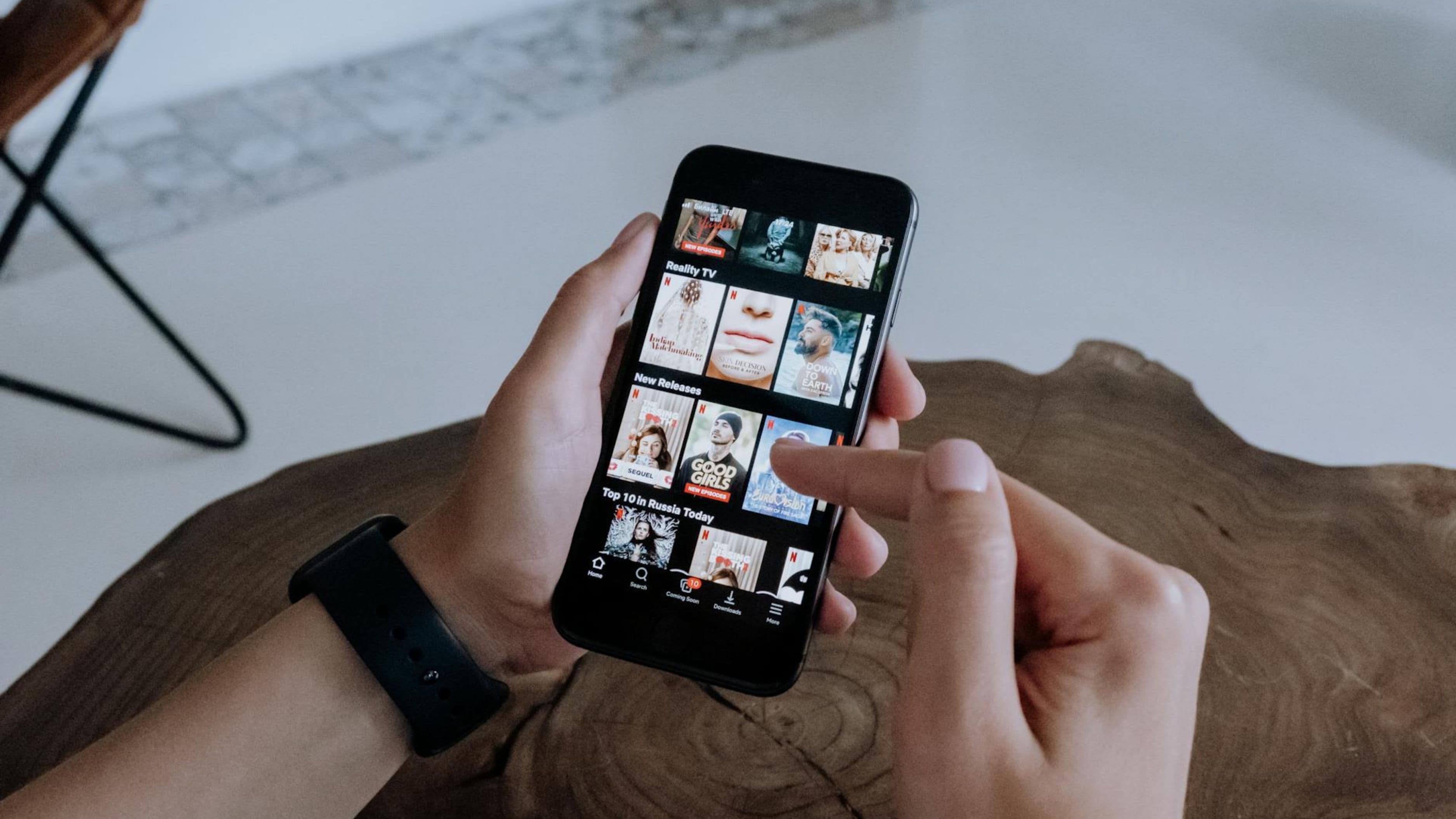
One of the most tangible – and most surprising – ways this personalisation plays out is in thumbnail artwork. For most titles on Netflix and other major platforms, the thumbnail image you see is chosen by an algorithm based on your watch history and inferred preferences, not by a human designer or marketing team making a single decision.
Netflix has written publicly about this system, called artwork personalisation. The platform creates multiple versions of the promotional artwork for each title – different character shots, different scenes, different graphic styles – and its recommendation system selects which version to show each user based on predictions about which image is most likely to generate a click. A user who watches a lot of romance content might see a thumbnail highlighting a couple in an intimate moment. A user whose history skews toward action might see the same film's artwork featuring a chase or fight scene. The content is identical; the presentation is tailored.
This matters beyond the individual viewing decision. It's a signal about how streaming platforms understand engagement at a granular level – not just "did you watch it?" but "what made you decide to start watching it?" Answering that question with data rather than intuition has given platforms a level of insight into viewer motivation that television networks and film studios never had access to.
Why Your Home Screen Rows Are in That Specific Order
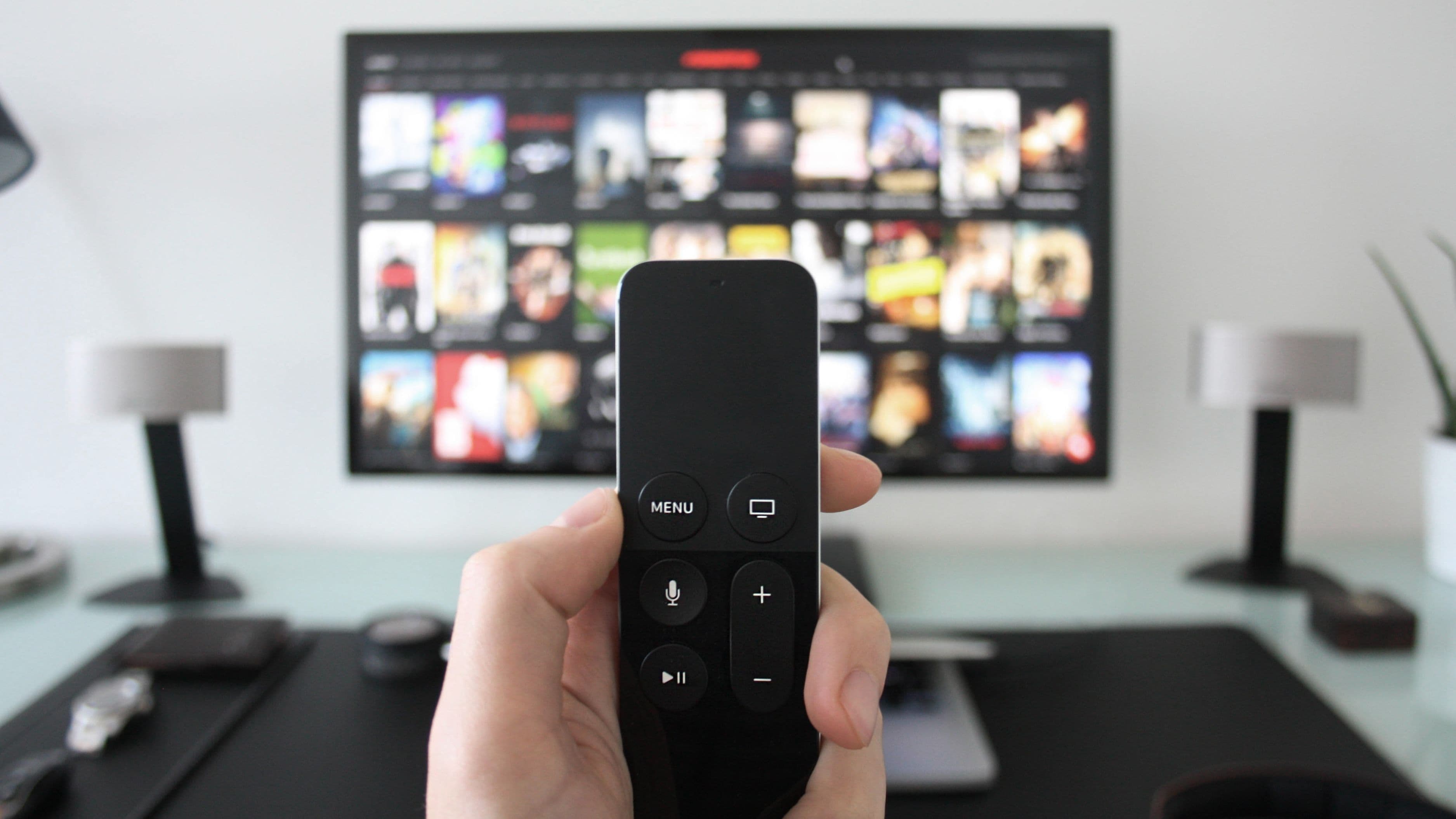
The rows of content on your streaming home screen aren't curated by a team deciding what goes where. They're generated dynamically, with both the content within each row and the order of rows themselves determined by the recommendation system based on your recent activity and predicted engagement.
The logic behind row ordering is essentially a real-time prediction of which row you're most likely to engage with first. If you've been in the middle of a specific series, "Continue Watching" typically appears near the top – not just because it's useful, but because the platform knows that in-progress content has a very high click-through rate for most viewers. Below that, the order of thematic rows reflects the algorithm's current best guess about your mood and intent, factoring in time of day, day of the week, how long it's been since your last session, and what kind of content you've been gravitating toward recently.
Amazon Prime Video's home screen algorithm is particularly aggressive about integrating non-streaming content into the personalisation layer – product recommendations, Prime Reading titles, and purchase suggestions from Amazon's retail platform occasionally surface alongside video content in ways that reflect the platform's broader commerce ambitions. The recommendation system isn't just optimising for what you'll watch; it's optimising for what you'll buy.
How Platforms Use Viewing Data Beyond Your Screen
The recommendation data streaming platforms collect doesn't only influence your personal home screen. It flows into production decisions, marketing strategy, and content acquisition in ways that are reshaping the industry at a structural level.
Netflix's much-discussed "data-driven" approach to commissioning content is built on aggregate patterns from its recommendation and viewing data. If the platform's data shows that viewers who engage with a specific type of international thriller consistently return to watch more of that type, that signal influences decisions about what to commission or acquire. When Netflix decides to produce a Spanish-language crime series, or a South Korean romance drama, or an Indian comedy – and then invest in marketing those titles globally – those decisions are grounded in viewing pattern data showing that the audience for that content exists and is underserved.
This has had measurable effects on what gets made. The rise of international language content on major streaming platforms over the last five years isn't primarily the result of cultural awareness campaigns by executives – it's the result of recommendation systems identifying viewership patterns across language barriers and signalling to the business side that international content has larger potential audiences than traditional distribution assumptions suggested.
The reverse is also true. Content that the recommendation system consistently fails to drive engagement with – regardless of critical reception or marketing spend – generates the kind of data that influences renewal decisions. A series that viewers start but consistently abandon after two or three episodes sends a clear signal that differs from a series with slower audience building but higher completion rates. Which metric the platform values more depends on its specific business model, but all of it flows from the same recommendation and engagement tracking infrastructure.
The Bubble Question: Are You Watching What You Actually Want?
The question that comes up most often in discussions of algorithmic recommendation is whether the systems create filter bubbles – reinforcing existing preferences so strongly that you never encounter content you'd enjoy but wouldn't have found on your own. It's a reasonable concern, and the honest answer is more nuanced than either "yes, completely" or "no, it's fine."
Recommendation systems do have a pull toward familiar territory. If your watch history skews heavily toward one genre, the algorithm will weight recommendations in that direction because that's where its confidence in your engagement is highest. This can produce stretches where your home screen feels repetitive – variations on the same type of content rather than genuine discovery.
However, all major platforms have explicit mechanisms designed to counter pure exploitation of known preferences. Netflix calls this "diversity" in its recommendation research – deliberately introducing recommendations from outside your established pattern to maintain exposure to new territory. The system also responds to context signals: the time of day, how long your session has been running, and indicators that suggest you might be in a different mood than usual. Late-night viewing patterns, for example, often skew toward different content than early-evening patterns for the same user.
The practical result is that streaming recommendation systems are better at helping you find more of what you already like than they are at helping you discover content genuinely outside your established taste. For passive discovery of unexpected content, editorial curation – human-made lists, film criticism, recommendations from people you trust – still does something the algorithm doesn't fully replicate. Using both together produces better outcomes than relying on either alone.
What This Means for Smaller and Independent Content
One of the more significant consequences of algorithmic home screens is what happens to content that doesn't fit cleanly into established categories or that has a slow-build audience profile. A documentary that takes three episodes to hit its stride, an international language film that rewards patient viewing, a comedy series that takes two seasons to find its voice – these are the kinds of titles that human curation could historically champion. An algorithm optimising for early engagement metrics is less well-suited to them.
This creates a genuine tension in how streaming platforms operate. The recommendation system is extraordinarily good at matching viewers with content they'll immediately engage with. It's less reliable at surfacing content that viewers would love if they only gave it a chance but that doesn't generate strong early signals. The platforms are aware of this tension, and several have experimented with editorial curation layers that operate alongside the algorithmic system – human-programmed collections, "hidden gem" features, and curated seasonal programming that intentionally overrides the algorithm's default in specific contexts.
The outcome matters for the diversity of content available on major platforms. If commissioning decisions are increasingly driven by algorithmic performance signals, content that doesn't fit established high-engagement patterns faces higher barriers to getting made and getting seen.
What to Watch Out For
Autoplay is one of the most effective – and most manipulative – tools in the algorithmic streaming toolkit. The countdown that starts after an episode ends, the automatic advance to the next title in a series, the ambient preview that starts playing when you hover over a thumbnail – these aren't features designed for your wellbeing. They're mechanisms for reducing the friction between you and continued watching, and they work. If you want a more intentional relationship with what you watch, turning off autoplay is one of the most effective changes you can make.
Multiple profiles within a streaming account significantly affect recommendation quality. If you're watching children's content, horror films, and nature documentaries all on the same profile, the recommendation system receives conflicting signals and produces broader, less accurate recommendations. Using separate profiles for different viewers or different moods within a household produces noticeably better recommendations for each.
Clearing or resetting your viewing history – a feature available on most platforms – can occasionally be useful if your recommendations have drifted significantly from your current interests. But it also removes the data that powers useful personalisation, so consider it a reset rather than a permanent fix.
FAQ
Can I turn off personalisation on streaming platforms? You can limit it by clearing your viewing history, disabling autoplay, and using multiple profiles. Full opt-out of personalisation isn't available on most platforms because it's core to how the service functions – the home screen is built dynamically and removing personalisation would essentially require showing everyone the same generic layout.
Why does Netflix show me the same titles repeatedly even though I'm not watching them? The recommendation system interprets continued display of a title as valuable if you're clicking on it at all – including hovering, reading descriptions, or opening and then going back. If a title keeps appearing, it's either because the system still thinks it's a strong match for your profile, or because it's a new release the platform is actively promoting regardless of individual preference signals.
Do streaming platforms share my viewing data with advertisers? On ad-supported tiers, viewing data is used for ad targeting. On subscription-only tiers without ads, viewing data is used internally for recommendations and content strategy rather than being sold to third-party advertisers. Privacy policies vary by platform and region – checking your platform's specific data policy tells you what's being collected and how it's used.
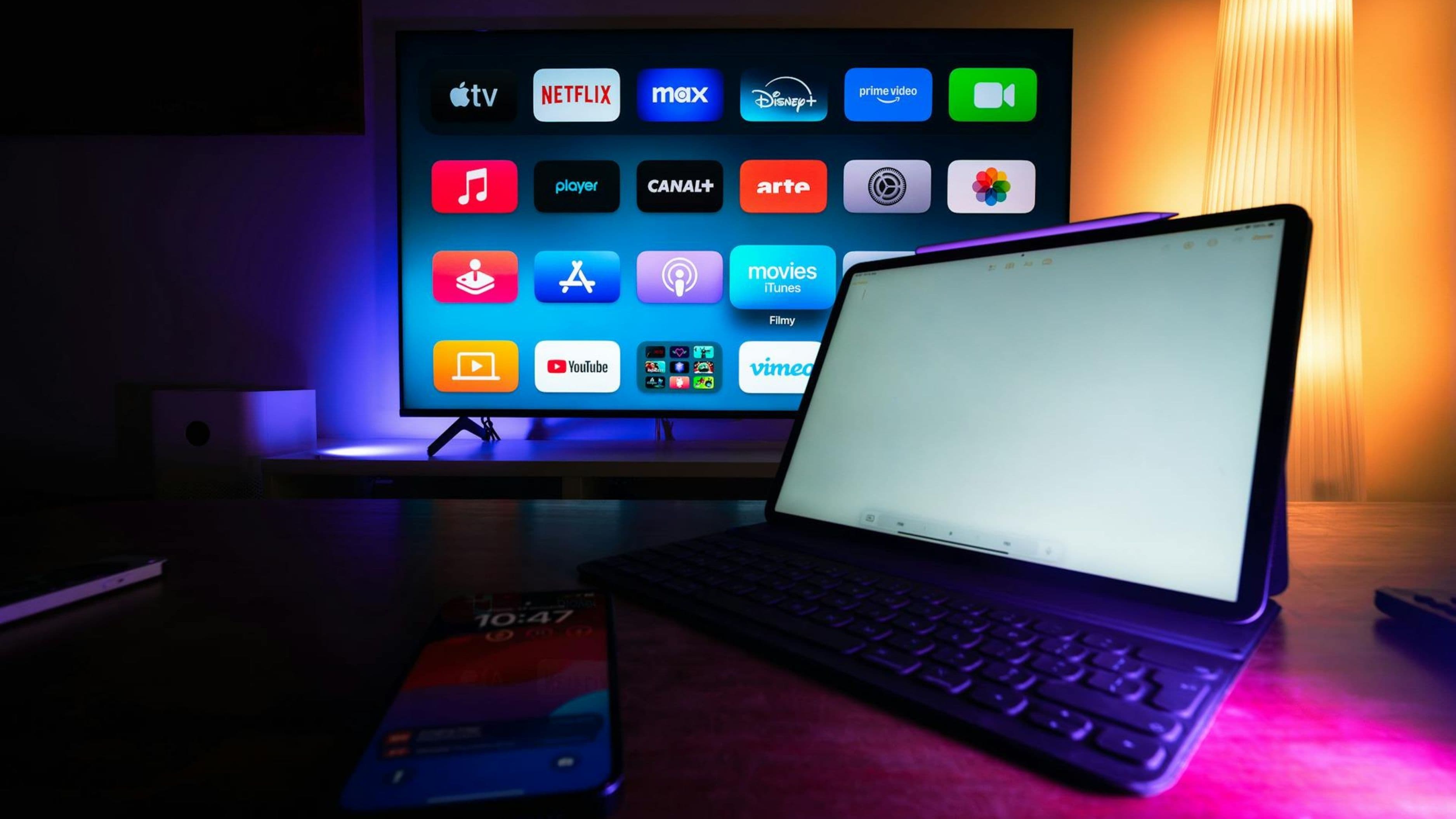
Why do recommendations feel different on the TV app vs the mobile app? The recommendation system factors in device context. Viewing on a TV in the evening produces different recommendations than viewing on a phone during the day because the system has inferred that these contexts correlate with different content preferences. The algorithm is device-aware, not just viewer-aware.
Is there a way to improve the quality of my recommendations? Yes. Use the thumbs up/down or star rating features consistently – explicit feedback is a stronger signal than passive viewing behaviour. Use separate profiles for different household members. Watch content through to completion when you enjoy it, rather than leaving it half-finished, as completion signals are heavily weighted. Avoid leaving content running in the background when you're not watching, as it creates false viewing signals the algorithm will try to replicate.
📚 Sources
Netflix Technology Blog – Artwork Personalisation at Netflix: https://netflixtechblog.com/artwork-personalization-c589f074ad76
Netflix Technology Blog – How Netflix's Recommendations System Works: https://netflixtechblog.com/netflix-recommendations-beyond-the-5-stars-part-1-55838468f429
Wired – How Netflix's Recommendation Algorithm Works: https://www.wired.com/2013/08/qq-netflix-algorithm/
The Verge – Streaming Platform Personalisation Explainer: https://www.theverge.com/2022/9/21/23366328/netflix-recommendation-algorithm-explainer
MIT Technology Review – The Filter Bubble Problem in Streaming: https://www.technologyreview.com/2022/03/28/1048482/streaming-recommendation-algorithms/
Amazon – How Amazon Prime Video Recommendations Work: https://www.amazon.com/b?node=14498438011