
So is 8K streaming the future, or a solution looking for a problem? The honest take is somewhere in between. Let's break down how 8K streaming actually works, why it's barely a thing yet, and when (if ever) it'll genuinely matter for how you watch.
What 8K Streaming Actually Is
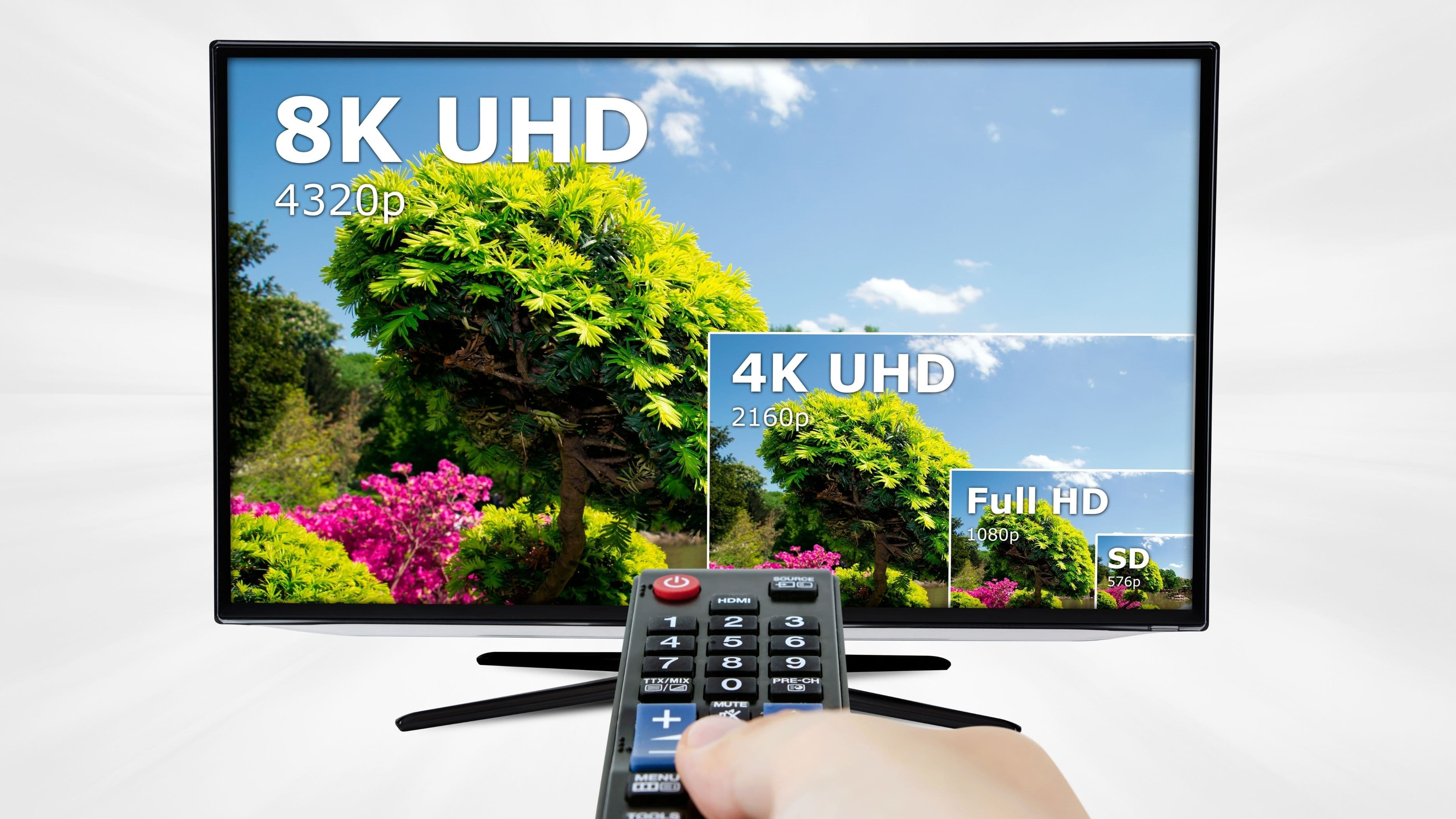
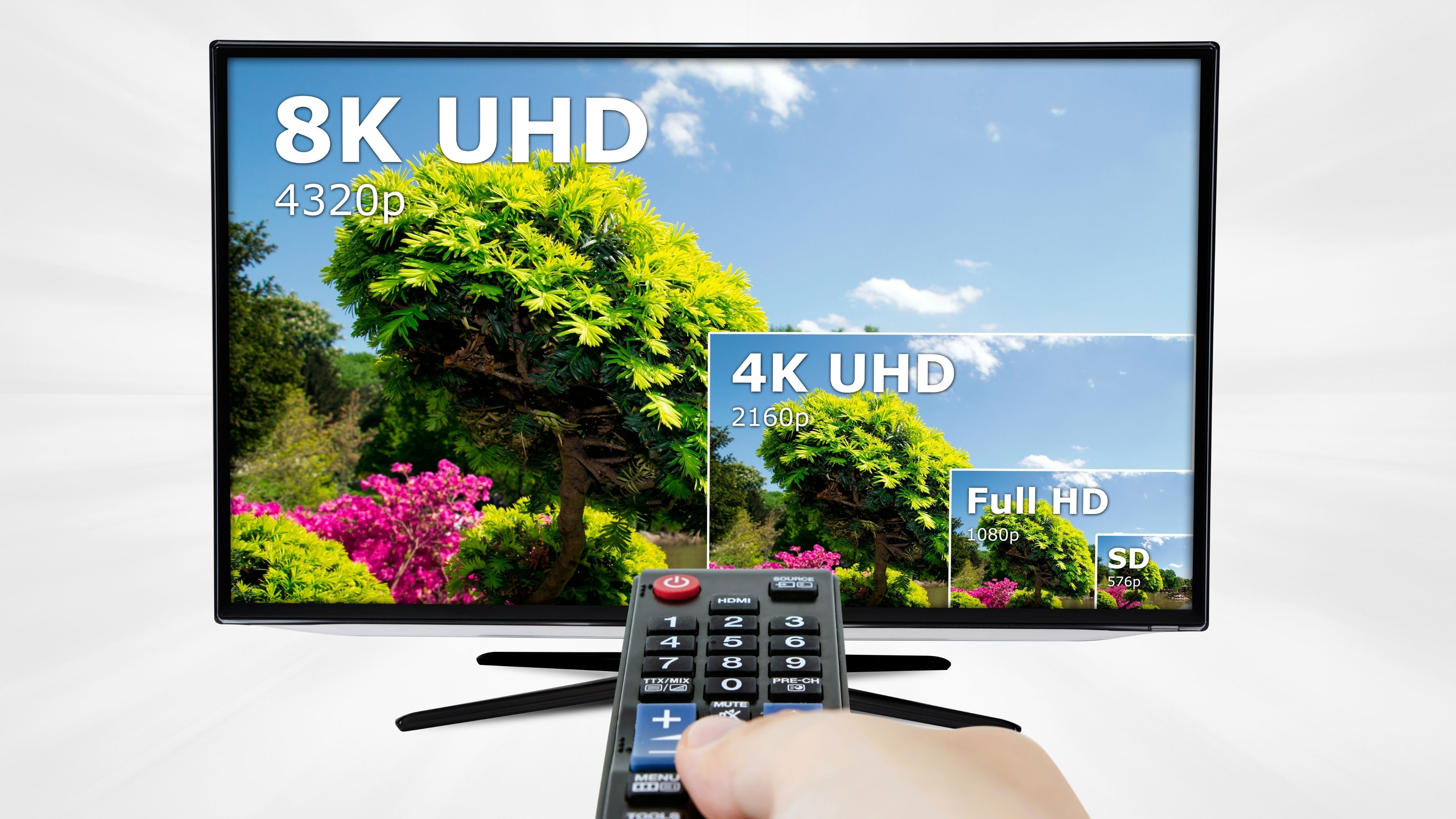
Resolution is just the number of pixels making up the picture. 8K has roughly 7,680 pixels across, which is about four times the total pixels of 4K and a staggering sixteen times more than standard HD. More pixels can mean a sharper, more detailed image, especially on very large screens.
8K streaming means delivering that ultra-high-resolution video to your TV over the internet, the same way you stream 4K now – just with a lot more data. And that "lot more data" is the heart of the whole story. Because 8K packs in so many more pixels, the video files are much bigger, which makes streaming them far more demanding than anything most people watch today.
In plain terms: 8K is a much sharper picture made of way more pixels, and streaming it means pushing a much heavier load through your internet connection to your screen.
How 8K Streaming Works (and Why It's Hard)
To stream any video, the footage gets compressed into a manageable file, sent over the internet, and decoded by your device to play. 8K follows the same path, but every step is more demanding because of the sheer amount of data involved.
The biggest hurdle is bandwidth – your internet speed. 4K streaming typically needs a steady connection of around 25 Mbps or so, and 8K needs considerably more, with estimates often landing in the 50–100 Mbps range depending on compression. That's a lot of consistent speed, and many homes either don't have it or share their connection across multiple devices, which makes reliable 8K streaming tricky.
Compression technology is what makes 8K streaming even possible. Newer video codecs (the methods used to shrink video files) are far more efficient than older ones, squeezing 8K into something closer to streamable size without wrecking the quality. As these codecs improve, 8K becomes more practical, but it still asks a lot of both your connection and your device.
Your hardware has to keep up too. To actually stream and display 8K, you need an 8K TV, a device capable of decoding 8K video, and modern connections (like the right HDMI version) between them. Older gear simply can't process it. What this means for you: 8K streaming works just like 4K but needs much faster internet, newer compression, and 8K-capable hardware all working together – a tall order for most setups today.
The Real Problem: There's Almost Nothing to Watch
Here's the part that matters most, and it's not about technology at all. Even if you have a blazing connection and a shiny 8K TV, there's very little actual 8K content to stream. Major streaming services overwhelmingly top out at 4K, and native 8K shows and movies remain rare.
There are a few reasons for this. Producing in 8K is expensive and demanding for studios, the audience with 8K TVs is still small, and streaming services have little incentive to spend heavily delivering content almost no one can watch. Some 8K clips exist (often nature footage or demos on platforms like YouTube), but full shows and films in true 8K are scarce.
To fill the gap, 8K TVs lean heavily on upscaling – using processing to "guess" extra detail and stretch lower-resolution content to fit the 8K screen. Upscaling has gotten genuinely good and is how you'll watch most things on an 8K TV for now, but it's not the same as true 8K content; it's a smart enhancement of 4K or HD, not the real sixteen-times-HD experience. What this means for you: the bottleneck isn't just your internet – it's that the 8K movies and shows to justify it mostly don't exist yet.
Will You Even Notice the Difference?
This is the question that should drive any 8K decision, and the answer is humbling. For most living rooms, the jump from 4K to 8K is genuinely hard to see. The extra detail only becomes noticeable on very large screens or when you sit unusually close, because at normal viewing distances your eyes can't resolve all those extra pixels.
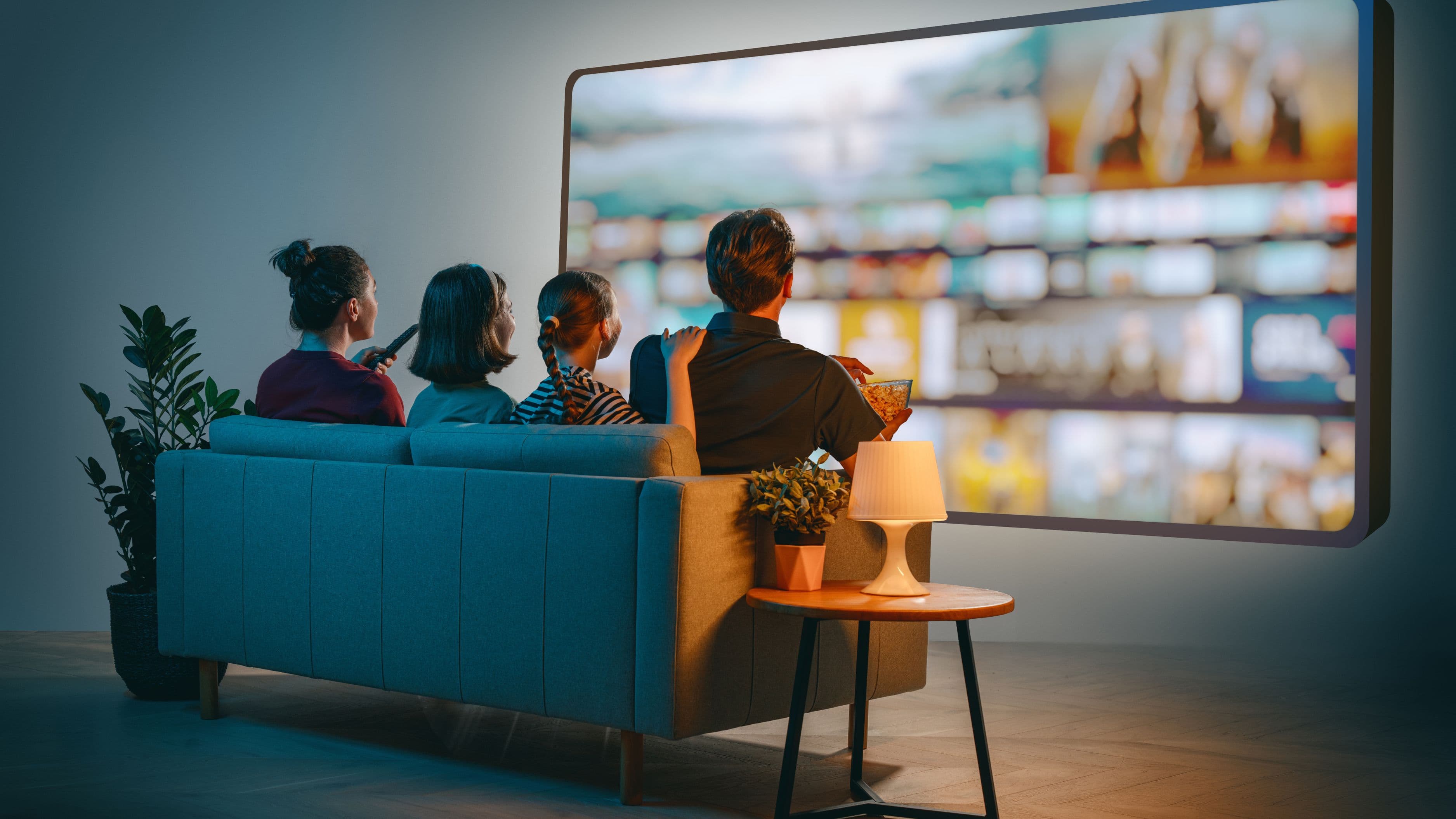
As a rough guide, the benefit of 8K really shows up on very big screens (think 75 inches and well beyond) viewed fairly close. On a typical TV size at a normal couch distance, a great 4K picture and an 8K picture look remarkably similar to most people. That's a big reason 8K hasn't taken off the way the leap to HD or even 4K did – the visible payoff for everyday viewing is small. What this means for you: unless you're buying a huge screen and sitting close, you may not actually see what 8K is selling.
When 8K Will Actually Matter
8K isn't pointless – it's just early. A few things need to fall into place before it matters for regular viewers, and they're worth watching for.
First, content. 8K will start to matter when major streaming services offer real 8K shows and movies, not just demo clips, giving you something genuinely worth the resolution. Second, infrastructure. As fast, reliable home internet becomes more common and widespread, the bandwidth barrier shrinks, making 8K streaming realistic for more households. Third, affordability. As 8K TVs and capable devices drop in price and become standard rather than premium, more people will own the hardware, which in turn gives studios a reason to make 8K content.
And finally, bigger screens. As large TVs and projectors become more common in homes, the screen sizes where 8K is actually visible become more typical, making the resolution worth having. Realistically, this is a gradual shift over the coming years rather than a sudden switch, much like 4K took time to go from novelty to normal. What this means for you: 8K will matter when content, internet, affordable hardware, and bigger screens all arrive together – and that's a "down the road" story, not a "right now" one.
What to Avoid
A few common traps are worth sidestepping with 8K. The biggest is buying an 8K TV today expecting an 8K streaming experience – there's little native content to stream, so you'd mostly be watching upscaled 4K, and a top-quality 4K TV often delivers a comparable everyday picture for far less money.
Don't assume your internet can handle 8K without checking, since it needs significantly more consistent speed than 4K, and a shared or slower connection will struggle. Be careful about overpaying for resolution you can't see at your screen size and viewing distance, where the 4K-to-8K difference is often invisible. And don't confuse upscaling with true 8K – marketing sometimes blurs the line, but enhanced 4K isn't the same as native 8K content. What this means for you: don't buy into 8K streaming ahead of the content, your internet, and a screen big enough to actually benefit.
FAQ
How much internet speed do I need for 8K streaming? Considerably more than 4K, which itself usually needs around 25 Mbps. Estimates for 8K often land in the 50–100 Mbps range depending on compression, and it needs to be a steady connection, not just a fast burst. Since homes share bandwidth across devices, a comfortable margin above the minimum helps a lot.
Is there much 8K content to stream right now? Not really. Most major streaming services top out at 4K, and true 8K shows and movies are rare, with the main 8K material being demo or nature clips on a few platforms. That lack of content is the biggest reason 8K streaming isn't worth chasing for most viewers yet.
Will I actually see a difference between 4K and 8K? For most living rooms, the difference is hard to notice. The extra detail mainly shows on very large screens viewed fairly close; at a normal couch distance on a typical TV size, a great 4K picture and 8K look very similar to most people. Screen size and viewing distance matter more than the spec.
Should I buy an 8K TV now to future-proof? For most people, not yet. With little native 8K content to stream and a small visible benefit at common screen sizes, a high-quality 4K TV usually offers better value today. Future-proofing rarely pays off in fast-moving tech, since by the time 8K content arrives, hardware and standards will likely have improved and gotten cheaper.
What is 8K upscaling, and is it the same as real 8K? Upscaling is when an 8K TV processes lower-resolution video (like 4K or HD) to fill its 8K screen, intelligently estimating extra detail. It's gotten quite good and is how you'll watch most content on an 8K TV for now, but it's an enhanced version of the original, not the same as true native 8K content.
The Bottom Line
8K streaming works much like 4K but demands far more – significantly faster internet, newer compression, and 8K-capable hardware all working in sync. The bigger issue is that there's almost no real 8K content to stream yet, and at typical screen sizes and viewing distances, most people can't even see the difference from 4K. That makes 8K a genuinely impressive technology that simply isn't ready to matter for everyday viewers. It'll get there as content, internet speeds, affordable hardware, and bigger screens come together over the next several years. For now, the smart move is to enjoy a great 4K setup and let 8K mature before you spend a premium chasing it.
📚 Sources
8K Association – What is 8K and how 8K streaming works: https://8kassociation.com/what-is-8k/
CNET – 8K TV explained: is it worth it for viewers: https://www.cnet.com/tech/home-entertainment/8k-tv-explained/
RTINGS – 4K vs 8K and viewing distance for resolution: https://www.rtings.com/tv/learn/what-is-the-resolution
YouTube Help – Streaming and uploading in high resolution including 8K: https://support.google.com/youtube/answer/6375112
FCC – Broadband speed guide for streaming video: https://www.fcc.gov/consumers/guides/broadband-speed-guide